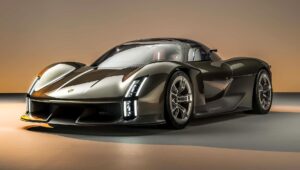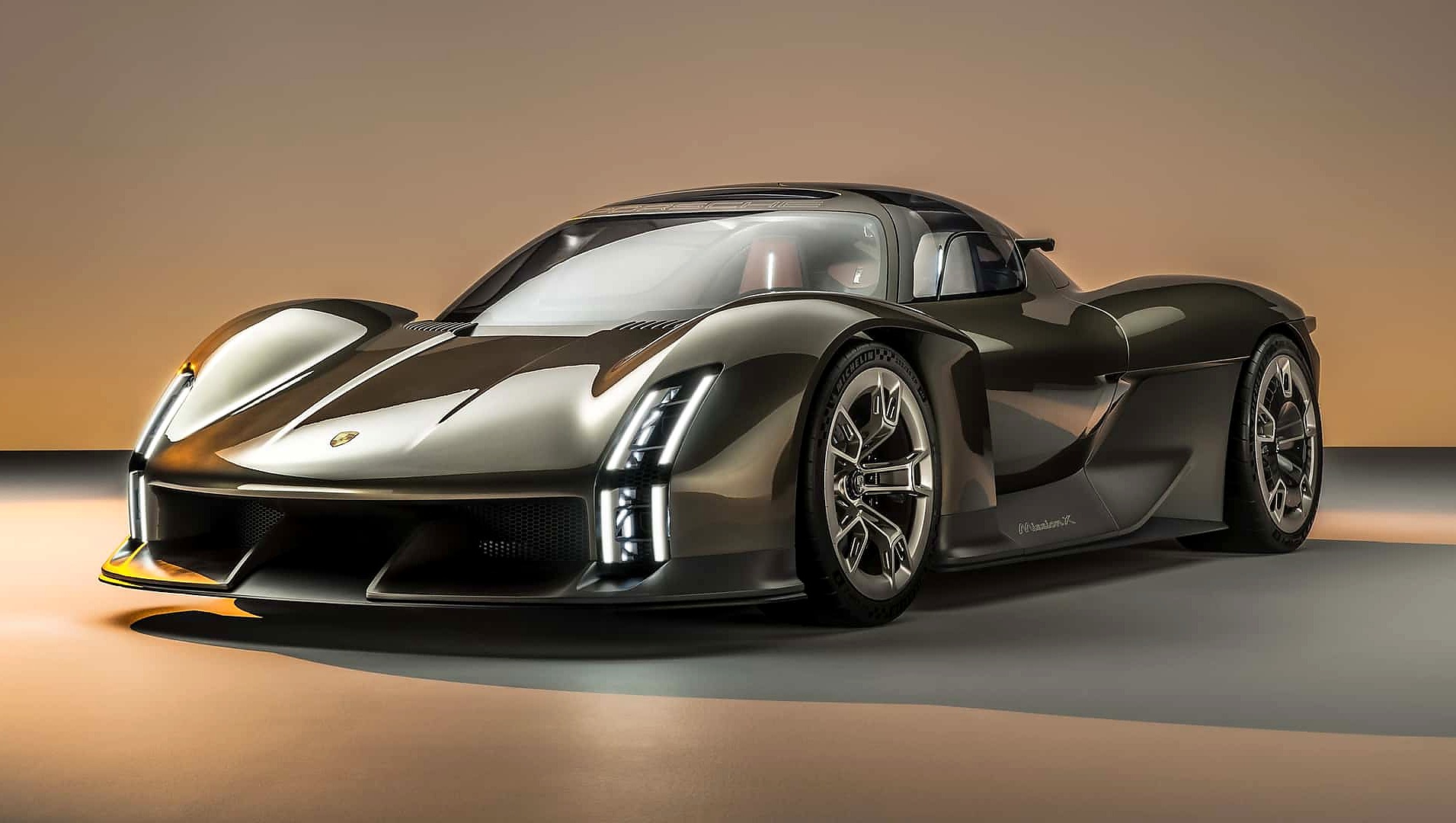
The Porsche Mission S just rewrote the supercar rulebook. Unveiled yesterday in New York City, this mid-engine concept isn’t just another retro-tinged design exercise. It’s a declaration that Porsche is willing to listen to what enthusiasts actually want. And what they want, apparently, is the option to row their own gears in a seven-figure machine.


CEO Michael Leiters didn’t mince words at the debut. The new platform, he confirmed, can accommodate a traditional manual gearbox alongside PDK dual-clutch, pure internal-combustion engines, or hybrid powertrains. Translation: Porsche is building flexibility into the DNA of this supercar from day one. That’s a seismic shift from the one-and-done approach that defined the Carrera GT and 918 Spyder.
Still, the real story lies in the numbers. Around 43% of 911 GT3 Touring buyers worldwide choose manual. In the US, that figure climbs to a staggering 70%. Even the standard GT3 sees close to half of American buyers opt for three pedals. Those aren’t niche figures. Those are market signals Porsche can’t ignore. As detailed in our Porsche Mission S official reveal coverage, the concept’s physical key and retro-forward design language suggest the brand is doubling down on analog engagement.
| ⚙️Engine / Powertrain | Flat-Eight (est.) or Flat-Six variant |
| 🐎Power Output | 800+ HP (est.) |
| ⚡Peak Torque | 750+ Nm (est.) |
| ⏱️0-60 mph (0-100 km/h) | 0-60 mph in 2.8s (est.) |
| 🚀Top Speed | 200+ mph (est.) |
| 🔄Drivetrain / Gearbox | Mid-Engine RWD / PDK or Manual (est.) |
| 💰Starting Price / Est. | $900,000 – $1,200,000 (est.) |
That Flat-Eight Engine Note
Here’s where it gets visceral. When Leiters piloted the Mission S at its debut, the engine produced a note distinctly different from the 911’s raspier flat-six. Deeper. More muscular. The rumor mill is already spinning: flat-eight. Porsche has flirted with eight-cylinder horizontally opposed units before, most famously in the 908 race car. Fellow German marque Ruf revealed its own flat-eight supercar prototype earlier this year, so the engineering isn’t theoretical.
A flat-eight would deliver the mechanical symphony enthusiasts crave. Imagine 800+ horsepower of naturally aspirated or turbocharged fury, channeled through either a PDK or, if demand justifies it, a proper manual transmission. The platform’s flexibility means Porsche can iterate and evolve without architectural constraints.
The Manual Question: Demand Decides
Leiters was explicit: customer demand will determine what Porsche builds. That’s refreshing honesty in an era of forced electrification and numb automatics. The interior concept reveals a gear lever designed for automated transmission, clearly positioning PDK as the primary choice. But the fact that Porsche is even discussing manual as a viable option speaks volumes about where enthusiast sentiment stands.
Meanwhile, Porsche’s financials are under pressure. Sales dropped from over 320,000 vehicles in 2023 to an expected 245,000 this year. The new Sportwagenschmiede 35 strategy aims to boost transaction prices on flagship models through special editions and personalization. The Mission S is central to that plan. Offering a manual gearbox isn’t just about pleasing purists. It’s about commanding premium pricing and building brand loyalty among the buyers who actually matter.
A Supercar Built For Drivers
The Mission S represents something rare in modern supercar culture: a manufacturer willing to prioritize driver engagement over marketing convenience. Whether Porsche ultimately offers a manual depends on pre-production feedback. But the fact that it’s even on the table is a victory for everyone who believes a supercar should demand something from the person behind the wheel.
Expect the production version to arrive within the next 18 to 24 months. Pricing will likely start around $900,000, positioning it above the 911 Turbo but below hypercars. If Porsche commits to a manual option, resale values for three-pedal examples will skyrocket. Collectors already know: analog engagement is the rarest commodity in the modern supercar market. The Mission S could become the last great manual supercar ever built. That’s worth paying attention to.

Marcus Vance
Senior Track & Performance Editor at Auto News Magazine. Veteran automotive journalist specializing in chassis dynamics, apex telemetry, track-day specials, and high-revving mechanical purity.
View all articles by Marcus Vance →