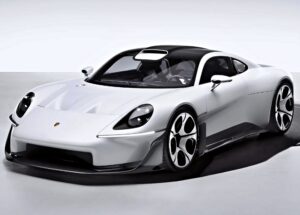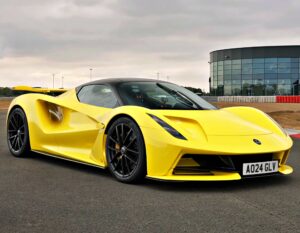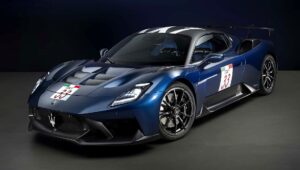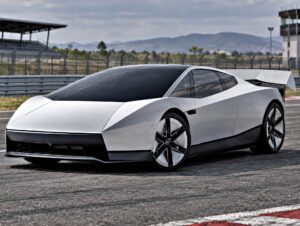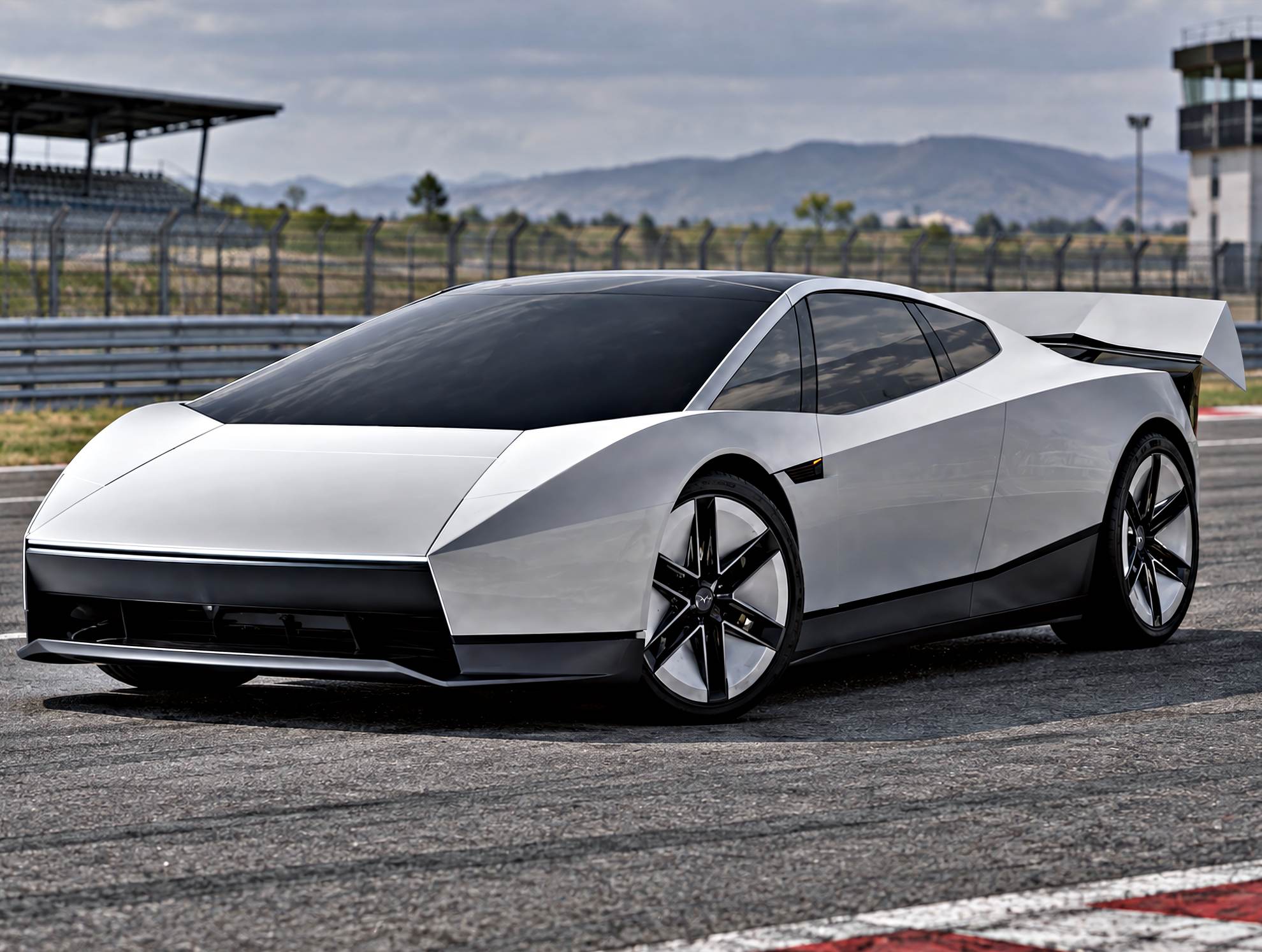
Elon Musk has officially weaponized physics. The Tesla Roadster isn’t just another electric hypercar, it’s a statement that traditional automotive engineering has become obsolete. Unveiled with aviation-grade technology, this machine blurs the line between a race car and a fighter jet, complete with cold-gas thrusters that adjust vehicle dynamics within fractions of a second.


When Aerodynamics Becomes Weaponry
The engineering here is genuinely radical. Tesla’s multi-mode fan and ground-sealing system generates sufficient downforce to hold the Roadster inverted while parked. That’s not marketing hyperbole, that’s physics-defying capability. Powered fans and active wings work in concert to maximize traction and cornering speeds regardless of conditions, achieving massive downforce even at zero speed.
| ⚙️Engine / Powertrain | Tri-Motor Electric Powertrain (est.) |
| 🐎Power Output | 1,000+ HP (est.) |
| ⚡Peak Torque | 1,000+ Nm (est.) |
| ⏱️0-60 mph (0-100 km/h) | 0-60 mph in 1.9s (est.) |
| 🚀Top Speed | 250+ mph (est.) |
| 🔄Drivetrain / Gearbox | All-Wheel Drive / Electric |
| 💰Starting Price / Est. | $200,000+ (est.) |
Meanwhile, the cold-gas thruster system uses all-electric actuators for micro-adjustments that stabilize the vehicle in ways traditional suspension simply cannot match. This technology, borrowed directly from aerospace engineering, allows the Roadster to respond to driver inputs with remarkable immediacy. It’s the kind of innovation that makes competitors look like they’re driving relics.
Minimalist Design Meets Aerospace Engineering
Visually, the Roadster screams technical intent. Concealed headlights, a full-length taillight, and flush-mounted surfaces create a minimalist silhouette that recalls spacesuit design. The Ano White aerospace paint isn’t just cosmetic, it provides UV protection, cryogenic resistance, electrostatic dissipation, and corrosion resistance. Gold Glazed tinted glass mimics spacesuit visors, while subtle titanium accents reinforce the aviation aesthetic.
Inside, an Ultrawhite interior with gray microsuede detailing prioritizes function over luxury. Manual controls and fixed seat positioning reduce overall vehicle mass, a philosophy that extends throughout the chassis. Magnesium, titanium, and carbon fiber construction keeps weight to a minimum, enabling the Roadster to accelerate and decelerate with ferocity that would challenge most hypercars.
The Business Case for Impossibility
Here’s where industry skepticism kicks in. Tesla’s track record with the original Roadster was solid, but this new generation represents a quantum leap in complexity. Cold-gas thrusters, active aerodynamic systems, and ground-sealing suction technology add layers of maintenance and potential failure points that traditional automakers would struggle to warranty.
Still, the market positioning is clear. This isn’t aimed at the Porsche 911 Turbo crowd. It’s a direct challenge to the hypercar elite, competing with machines like the Bugatti Bolide and Lotus Evija. At an estimated $200,000+, the Roadster undercuts most competitors while delivering technology that feels genuinely futuristic.
Production numbers remain unconfirmed, but Tesla’s history suggests limited availability. Expect this to become an instant collector’s item, with resale values climbing sharply within the first five years. The Roadster isn’t just a car, it’s a technological statement that will define the next generation of performance driving.
For more insights on cutting-edge automotive technology, visit Tesla’s official site or check out Auto News Magazine for ongoing coverage of the EV revolution.

Liam Campbell
Industry Intelligence & News Editor at Auto News Magazine. Tracking prototype spy shots, Nürburgring development mules, automaker corporate moves, and breaking global automotive scoops.
View all articles by Liam Campbell →