Bugatti Tourbillon Performance: Seville’s Thermal Gauntlet Proves Track Mettle
 Marcus Vance
3 minutes read
Marcus Vance
3 minutes read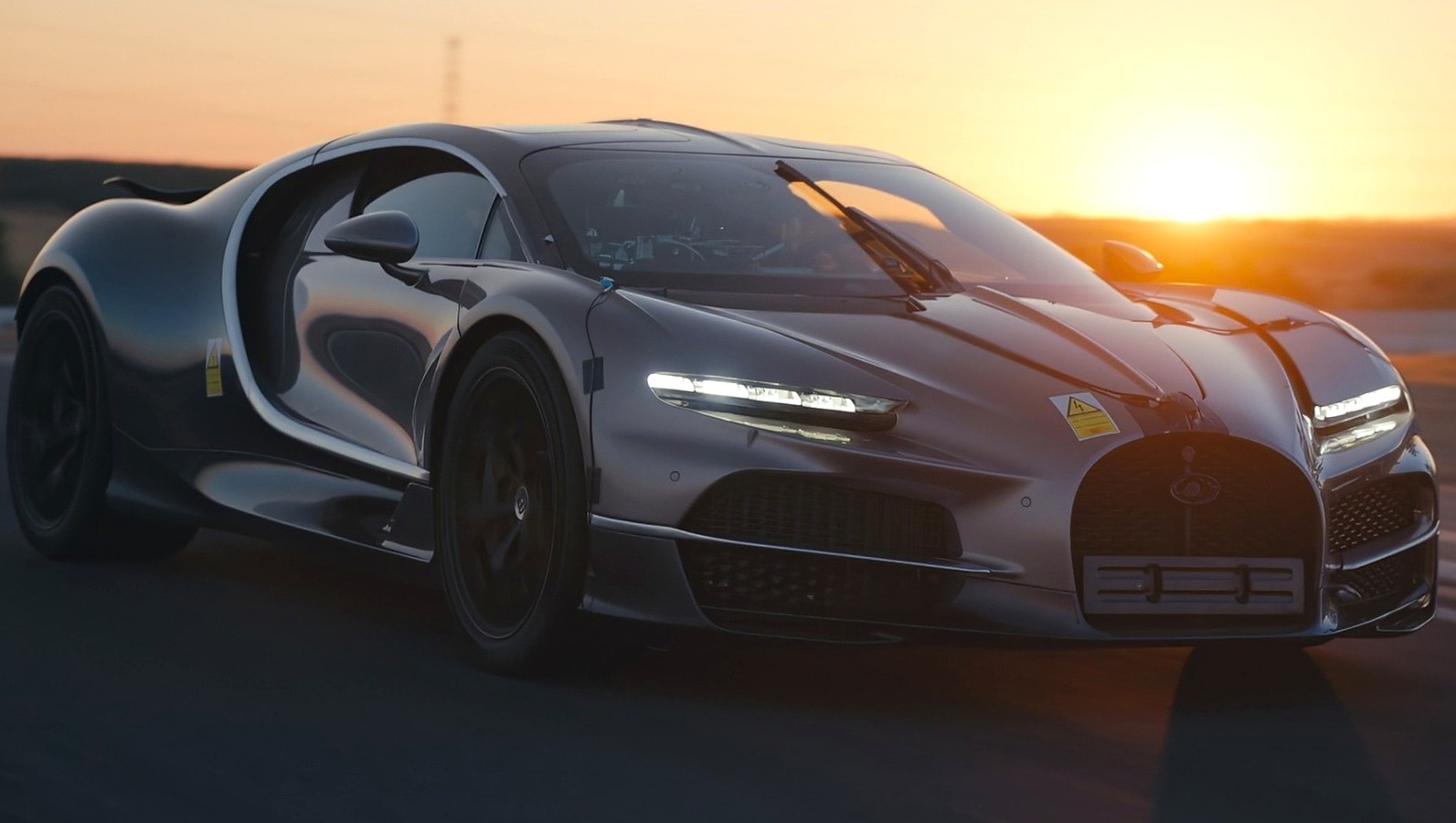
Mate Rimac’s vision for Bugatti was audacious: reject the electric future and double down on mechanical soul. According to a recent report by CARSCOOPS.COM, the Bugatti Tourbillon Performance just proved that philosophy isn’t marketing fluff—it’s engineering conviction. While most hypercar owners park their machines in climate-controlled garages, Bugatti strapped the Tourbillon to a racetrack in Seville and subjected it to thermal hell.


Thermal Warfare in Spanish Heat
Testing in blistering 104°F ambient temperatures, Bugatti’s engineers weren’t interested in gentle validation runs. Furthermore, they positioned over 200 thermocouples across the chassis to monitor every thermal nuance in real-time. This isn’t casual data collection—it’s obsessive engineering precision.
Daniel Rios Hidalgo, Bugatti Rimac’s vehicle development engineer, articulated the core challenge: maintaining that sculpted, aerodynamic silhouette while engineering cooling circuits sophisticated enough to manage extreme heat. Therefore, the team embedded clever internal cooling pathways that don’t compromise the car’s visual purity. The result? A hypercar that looks like a rolling sculpture but performs like a thermal management masterclass.
| ⚙️Engine / Powertrain | 8.3L Naturally-Aspirated V16 (Cosworth) + 3 Electric Motors |
| 🐎Power Output | 1,775 HP |
| ⚡Peak Torque | 1,696 lb-ft (2,300 Nm) |
| ⏱️0-60 mph (0-100 km/h) | 0-60 mph in 2.0s (est.) |
| 🚀Top Speed | 236 mph (380 km/h) (est.) |
| 🔄Drivetrain / Gearbox | 8-Speed Dual-Clutch / AWD with Torque Vectoring |
| 💰Starting Price / Est. | $3.26 million (est.) |
Hybrid Brutality: 1,775 Horses Unleashed
Beneath that carbon fiber skin sits a mechanical symphony that defies modern convention. The Bugatti Tourbillon Performance pairs a naturally-aspirated 8.3L V16 from Cosworth with three electric motors, an eight-speed dual-clutch transmission, and advanced torque vectoring. In addition, this hybrid architecture delivers 1,775 horsepower and 1,696 lb-ft of torque—figures that demand respect.
What makes this powertrain visceral is its refusal to rely on turbocharging. Instead, Bugatti embraced naturally-aspirated breathing, meaning every horsepower arrives through mechanical engagement, not artificial boost. Consequently, the throttle response is instantaneous, the mechanical feedback unfiltered. This is what happens when an engineer like Mate Rimac rejects the battery-powered future and commits to combustion purity.
Why Track Testing Matters for Road Hypercars
The average Bugatti owner won’t lap a circuit regularly. However, that doesn’t mean the Tourbillon shouldn’t handle racetrack punishment. Specifically, Bugatti’s extreme testing validates that this road machine possesses the chassis rigidity, suspension composure, and thermal management to survive lateral Gs, sustained throttle modulation, and brake fade resistance that track driving demands.
Moreover, the Bugatti Tourbillon Performance‘s compact footprint and advanced all-wheel-drive system with torque vectoring give it genuine track credentials. The car doesn’t just survive the racetrack—it belongs there, biting into apexes with unflinching grip and mechanical precision.
The Future of Hypercar Purity
As the automotive industry pivots toward electrification, Bugatti’s commitment to naturally-aspirated combustion feels like a defiant middle finger to convention. Ultimately, the Tourbillon Performance represents the last generation of true mechanical hypercars—machines where engineering excellence isn’t hidden behind software layers but expressed through visceral throttle response, analog steering feedback, and the mechanical symphony of a V16 at full song.
Customer deliveries are imminent. When they arrive, owners will discover that Bugatti didn’t just build a hypercar—they engineered a thermal warrior capable of conquering both Monaco’s streets and Seville’s racetrack with equal composure.
Marcus Vance
Senior Track & Performance Editor at Auto News Magazine. Veteran automotive journalist specializing in chassis dynamics, apex telemetry, track-day specials, and high-revving mechanical purity.
View all articles by Marcus Vance →