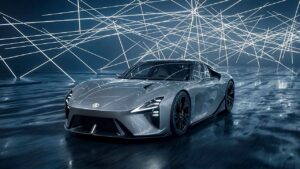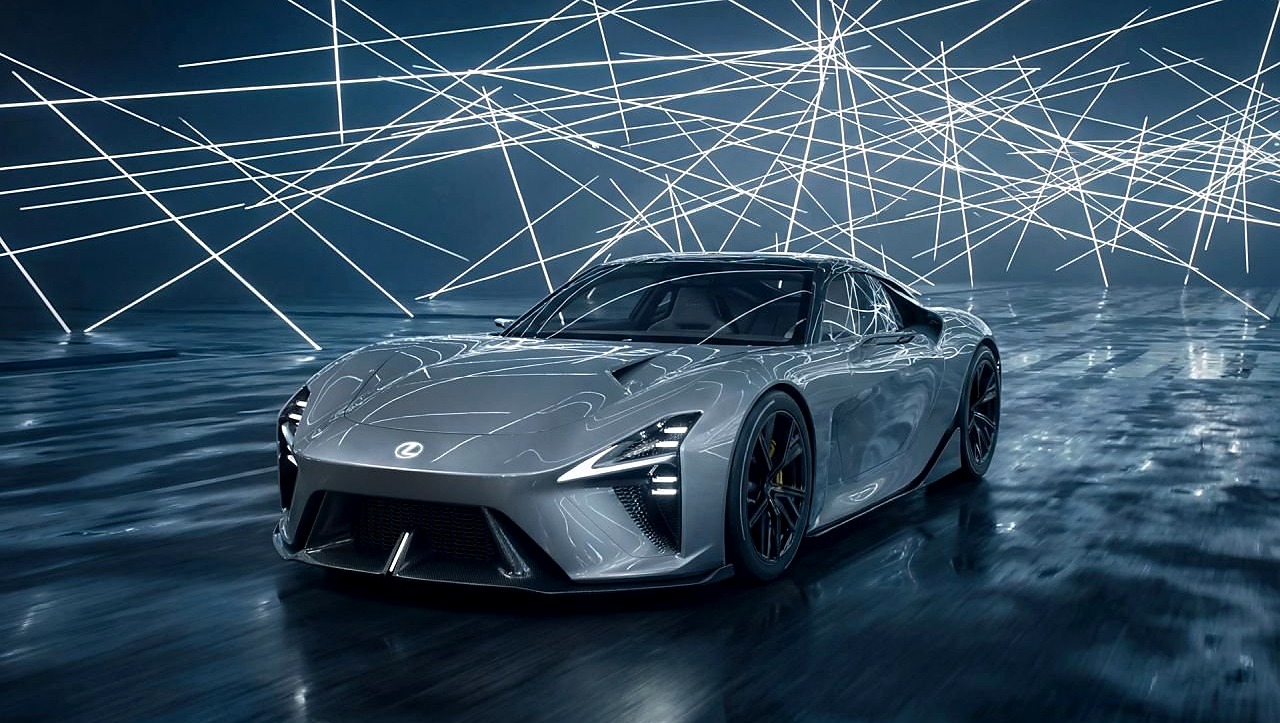
The automotive world just received a fascinating glimpse into Toyota’s strategy for preserving performance soul in an all-electric supercar. According to a recent report by THESUPERCARBLOG.COM, a newly discovered patent describes an ingenious workaround: the Lexus LFA EV will simulate sequential gearshifts through sophisticated motor torque management. This isn’t mere marketing theater—it’s computational horsepower disguised as mechanical authenticity.


The Torque Blipping Revolution
Here’s where the engineering brilliance emerges. Rather than simply modulating power output like conventional EVs, Toyota’s system allows drivers to select virtual gears and experience genuine shift dynamics. Furthermore, the motor is engineered to drop torque to zero during the shift event—precisely mimicking a disengaged clutch. Consequently, when power returns, it arrives with a deliberate surge, creating the illusion of clutch engagement and gear mesh.
This thermodynamic choreography addresses a critical gap in EV performance psychology. However, skeptics rightfully question whether software can truly replicate the visceral feedback of a mechanical transmission. The answer? It depends entirely on execution fidelity and latency response times.
| ⚙️Engine / Powertrain | Electric Motor (Dual-Motor AWD est.) |
| 🐎Power Output | 1,000+ HP (est.) |
| ⚡Peak Torque | 1,100+ Nm (est.) |
| ⏱️0-60 mph (0-100 km/h) | 0-60 mph in 2.5s (est.) |
| 🚀Top Speed | 200+ mph (est.) |
| 🔄Drivetrain / Gearbox | Dual-Motor Electric AWD |
| 💰Starting Price / Est. | $500,000 – $750,000 (est.) |
Sport Mode Aggression & Track Calibration
The patent reveals multiple shift profiles. In standard driving, shifts remain smooth and refined. Therefore, Sport mode sharpens the torque modulation curve, creating snappier, more aggressive shift feel. Meanwhile, Track mode presumably maximizes the effect—delivering the kind of rapid-fire gear changes that track enthusiasts crave.
This layered approach demonstrates Toyota’s understanding of driver psychology. Specifically, different contexts demand different engagement levels. The Lexus LFA EV will adapt its personality accordingly, transforming from a refined grand tourer into a track-focused weapon.
The V10 Ghost in the Machine
Make no mistake: losing the original LFA’s 4.8-liter naturally aspirated V10—which screamed to 9,000 RPM with 562 horsepower—represents a seismic shift in character. In fact, that engine was automotive poetry. Yet the incoming dual-motor electric architecture (estimated 1,000+ horsepower) offers compensatory advantages: instant torque delivery, zero turbo lag, and computational precision that mechanical systems cannot match.
If Toyota executes this virtual gearshift system flawlessly, the 2027 Lexus LFA EV could redefine what “engaging” means in the electric supercar segment. Ultimately, the question isn’t whether electrons can replace pistons—it’s whether software can capture the soul of mechanical engagement. Based on this patent, Toyota believes it can.

Julian Hayes
Future Mobility & Technology Editor at Auto News Magazine. Covering the next frontier of electric powertrains, 800V architectures, solid-state battery chemistry, and autonomous vehicle platforms.
View all articles by Julian Hayes →