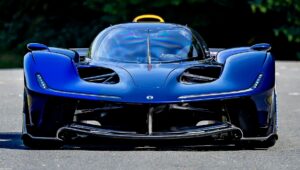
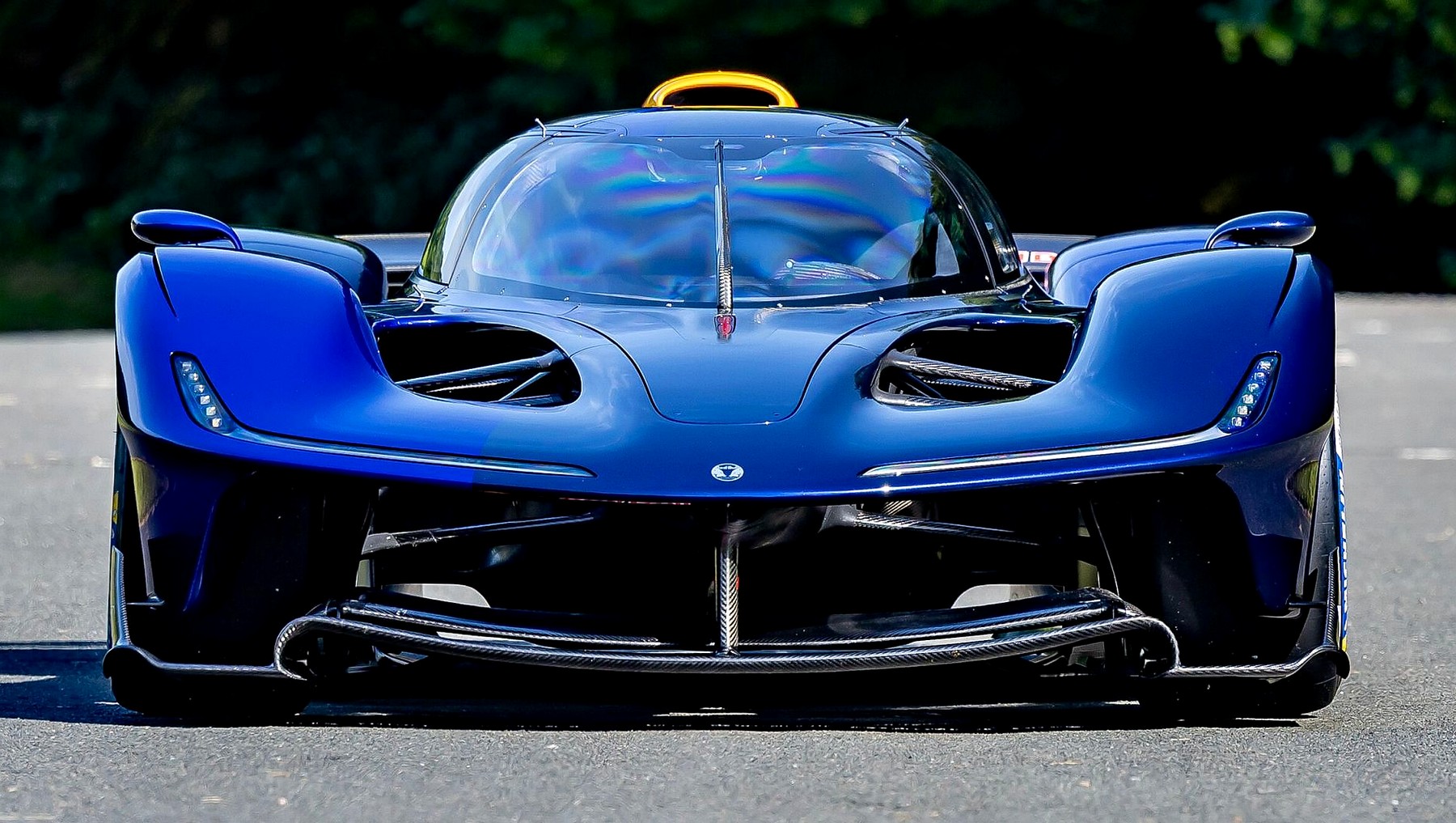
Adrian Newey’s road car obsession has finally materialized, and it’s absolutely unhinged. The Cosworth V10 Engine powering the Red Bull RB17 represents a deliberate throwback to the golden era of Formula 1—specifically, the early-2000s when Cosworth supplied naturally-aspirated V10s to Jaguar and Red Bull Racing. However, this isn’t nostalgia masquerading as engineering. This is a calculated, ruthless decision to prioritize visceral performance over practicality.
The F1 Inheritance Problem
Cosworth’s managing director Bruce Wood revealed the engine selection process was deliberately provocative. Initially, the RB17 was designed with “no restrictions whatsoever”—a blank canvas that explored a highly-boosted V6 and even a V12 before landing on something Wood described as “one step before it was a bit too silly.” Therefore, the 4.5-liter V10 emerged as the sweet spot between madness and manufacturability.
The engine’s architecture borrows directly from two decades of F1 expertise. Specifically, it employs a pneumatic valve train—compressed nitrogen cylinders replacing traditional valve springs—a technology Renault pioneered in the 1980s. This system eliminates valve float at extreme RPM, allowing the engine to scream to 15,000 RPM without mechanical degradation. Consequently, the Cosworth V10 achieves 1,000 horsepower from pure displacement and revolutions, not forced induction.
| ⚙️Engine / Powertrain | 4.5L Naturally-Aspirated V10 |
| 🐎Power Output | 1,000 HP (1,200 HP with hybrid) |
| ⚡Peak Torque | (est.) 750 Nm (553 lb-ft) |
| ⏱️0-60 mph (0-100 km/h) | 0-60 mph in (est.) 2.4s |
| 🚀Top Speed | 230+ mph (est.) |
| 🔄Drivetrain / Gearbox | 6-Speed Sequential / RWD |
| 💰Starting Price / Est. | $6,000,000 (RB17 hypercar, 50 units planned) |
The Maintenance Reality Check
Here’s where the F1 inheritance becomes genuinely demanding: complete powertrain rebuilds every 15,000 miles. Red Bull positions this as reasonable—after all, modern F1 engines endure far shorter intervals before teardown. Moreover, the standard service interval sits at 5,000 miles, meaning three oil changes precede each major overhaul. The complexity stems from that screaming redline, expansive hydraulic plumbing, and pneumatic systems grafted directly from Red Bull’s racing department.
Yet Red Bull insists owners won’t need a fleet of technicians. The RB17 can run on pump gas (93 octane), and mechanics arrive on-demand rather than requiring permanent trackside presence. In fact, according to Red Bull Racing, the hypercar was meticulously engineered for actual driving—not museum display.
Track-Only Ambitions
Originally, Red Bull promised Euro 6 emissions compliance and street homologation by 2024. That promise evaporated. The Cosworth V10 Engine is now destined exclusively for track use, debuting publicly at the 2026 Goodwood Festival of Speed. Furthermore, the hybrid system adds 200 horsepower, raising total output to 1,200 HP through a bespoke 6-speed sequential transmission.
Performance figures justify the obsession: the RB17 pulls upwards of 5 Gs in corners and generates 3,750 pounds of downforce at top speed. For $6 million and one of strictly 50 units, buyers receive a finely-tuned racing machine—not a street-legal compromise.
The Verdict
The Cosworth V10 Engine represents uncompromising engineering philosophy. Yes, 15,000-mile rebuilds sound excessive. However, they’re the inevitable cost of F1-derived technology pushed to its absolute limit. This isn’t a hypercar designed by committee; it’s Adrian Newey’s vision realized without corporate restraint. Ultimately, that’s precisely why collectors will treasure it.

Liam Campbell
Industry Intelligence & News Editor at Auto News Magazine. Tracking prototype spy shots, Nürburgring development mules, automaker corporate moves, and breaking global automotive scoops.
View all articles by Liam Campbell →