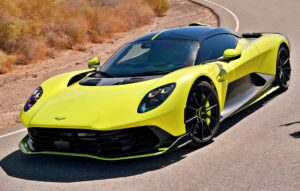
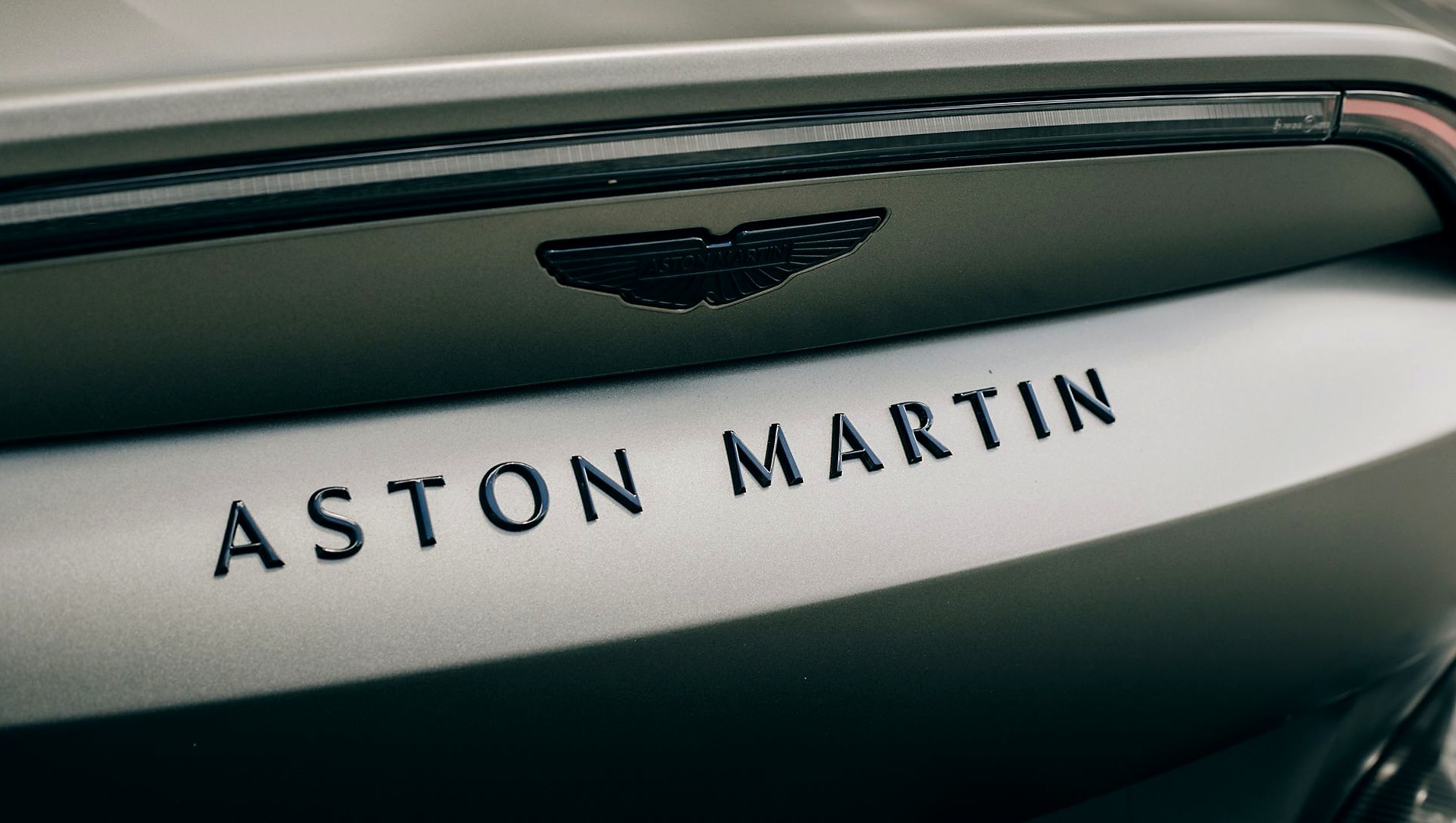
While Ferrari chases electric fantasies, Aston Martin V12 Supercars are doubling down on analog thunder. According to a recent report by CARBUZZ.COM, CEO Adrian Hallmark just delivered a masterclass in strategic patience: the British marque won’t launch its first battery-electric vehicle until 2033 at the earliest—a three-year window before the 2035 EU compliance deadline. This isn’t hesitation; it’s calculated restraint.


The Three-Year EV Window Strategy
Hallmark’s reasoning cuts through the noise with surgical precision. “We only need BEVs to be compliant for legislative reasons just before 2035,” he told Autocar, emphasizing the ambiguity surrounding EV demand trajectories and regulatory frameworks. Therefore, Aston Martin isn’t rushing into a technology transition that could crater profitability before the market stabilizes.
Furthermore, the company’s financial constraints demand disciplined capital allocation. Rather than hemorrhaging cash on proprietary battery development, Aston has secured technology partnerships with Lucid Motors and Mercedes-Benz—limiting in-house EV research to six-figure investments. This is pragmatism masquerading as caution.
| ⚙️Engine / Powertrain | 5.2L Twin-Turbo V12 / 4.0L Twin-Turbo V8 |
| 🐎Power Output | 630 HP (V12) / 510 HP (V8) |
| ⚡Peak Torque | 700 Nm (V12) / 600 Nm (V8) |
| ⏱️0-60 mph (0-100 km/h) | 0-60 mph in 3.2s (V12 est.) |
| 🚀Top Speed | 200+ mph (est.) |
| 🔄Drivetrain / Gearbox | 8-Speed Automatic / RWD |
| 💰Starting Price / Est. | $200,000 – $3,000,000+ (model dependent) |
V12 & V8 Engines: The Roadmap Holds
Here’s where Aston Martin V12 Supercars enthusiasts should celebrate. Hallmark explicitly confirmed a “roadmap to keep the bigger and smaller engines alive and compliant all the way through to the end of that period”—meaning 2035. The 5.2-liter twin-turbo V12 producing 630 horsepower and the 4.0-liter twin-turbo V8 with 510 horsepower aren’t going anywhere soon.
Hybridization remains on the table, though plug-in hybrids face skepticism due to weight penalties and thermodynamic inefficiency. The Valhalla PHEV supercar stands as the sole exception—a calculated compromise between performance and compliance. Consequently, traditional ICE architectures will dominate Aston’s lineup through 2035.
The Financial Gamble
Make no mistake: this strategy hinges on Aston Martin’s financial recovery. Major lineup restructuring is planned from 2030 onward, but only if the company stabilizes its balance sheet. The three-year EV window buys time for market conditions to clarify and for Aston’s partnerships to mature.
In essence, Aston Martin V12 Supercars represent a defiant stand against premature electrification. While competitors scramble to launch underdeveloped EVs, Aston is betting on selective timing and proven powertrains. For purists, this is vindication. For the brand’s future, it’s a high-wire act requiring flawless execution.

Julian Hayes
Future Mobility & Technology Editor at Auto News Magazine. Covering the next frontier of electric powertrains, 800V architectures, solid-state battery chemistry, and autonomous vehicle platforms.
View all articles by Julian Hayes →