McLaren trademark filings: Remuera and Muriwai signal bold naming revolution
 Marcus Vance
3 minutes read
Marcus Vance
3 minutes read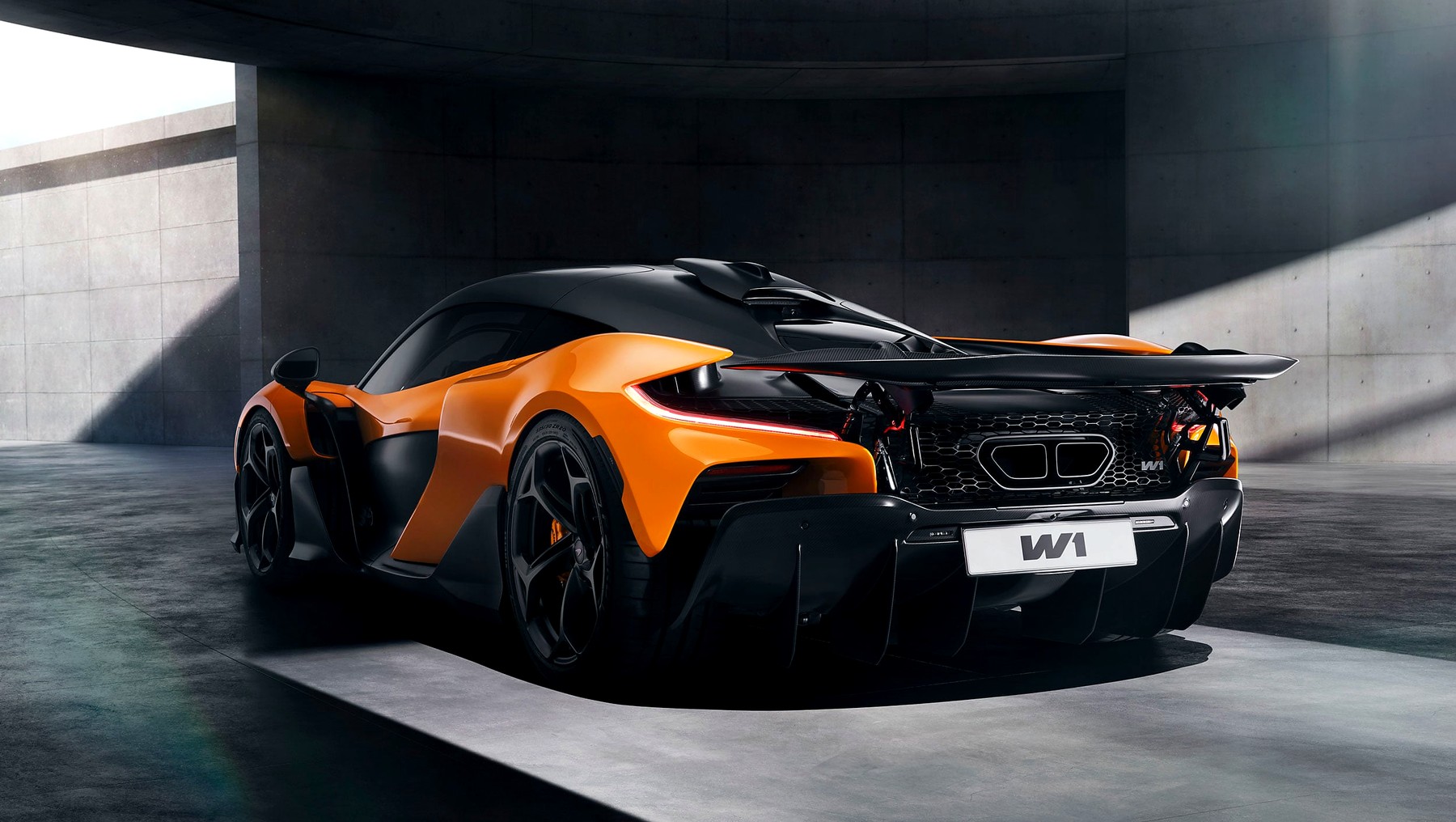
According to a recent report by WHICHCAR.COM.AU, McLaren trademark filings have just exposed a seismic shift in how the Woking marque will christen its future supercars, hypercars, and the long-awaited debut SUV. Gone are the days of cryptic alphanumeric designations like P1, W1, and 650S. Instead, the brand is pivoting toward word-based nomenclature—and the two names registered with the UK Intellectual Property Office tell a profound story rooted in founder DNA.
Remuera and Muriwai: Heritage Encoded
The two trademark filings—Remuera and Muriwai—aren’t arbitrary selections plucked from a marketing focus group. Furthermore, they’re deeply personal tributes to Bruce McLaren’s New Zealand legacy. Remuera is the Auckland suburb where Bruce was born and where his family operated their legendary garage; Muriwai is the coastal town on the North Island where, at just 15 years old, he piloted his homemade Austin Ulster in a beach hillclimb event—his competitive racing debut.
This heritage-first approach dovetails perfectly with McLaren’s broader brand overhaul. Therefore, the newly unveiled logo ditches the familiar “Speedmark” symbol in favor of a cleaner, more refined treatment. Specifically, the typeface is lifted directly from the lettering that adorned the original McLaren family garage awning in Remuera. It’s meticulous storytelling.
The $943 Million Expansion Unleashed
These McLaren trademark filings arrive at a pivotal moment. In addition, the brand has announced a transformative $943 million expansion program that will reshape its entire operational footprint. The initiative encompasses new supercars, in-house engine production, expanded carbon-fiber manufacturing, and—most significantly—a second UK assembly plant dedicated to the brand’s first-ever SUV.
While concrete SUV details remain scarce, McLaren has committed to its core philosophy: razor-sharp, lightweight engineering. Moreover, the SUV will feature a bespoke McLaren platform (no badge-engineering compromises), four doors, and two conventional seating rows—a first for the marque. It will directly challenge the Lamborghini Urus and Aston Martin DBX.
The Naming Revolution Begins
This nomenclature shift represents far more than cosmetic rebranding. Consequently, it signals McLaren’s confidence in a new era where emotional connection and heritage trump technical obfuscation. The alphanumeric era—where decoding “MP412C” required an engineering degree—is officially extinct.
Ultimately, these McLaren trademark filings are a masterclass in intentional brand storytelling. Every detail—from Remuera’s birthplace significance to Muriwai’s racing genesis—reinforces the marque’s unbreakable link to its founder’s visceral, uncompromising spirit. When these names finally debut on production metal, expect them to carry the weight of legacy and the promise of unadulterated performance.
Marcus Vance
Senior Track & Performance Editor at Auto News Magazine. Veteran automotive journalist specializing in chassis dynamics, apex telemetry, track-day specials, and high-revving mechanical purity.
View all articles by Marcus Vance →