Tesla Cybercab: Regulatory Collision Course for the Steering-Wheel-Less Future
 Liam Campbell
3 minutes read
Liam Campbell
3 minutes read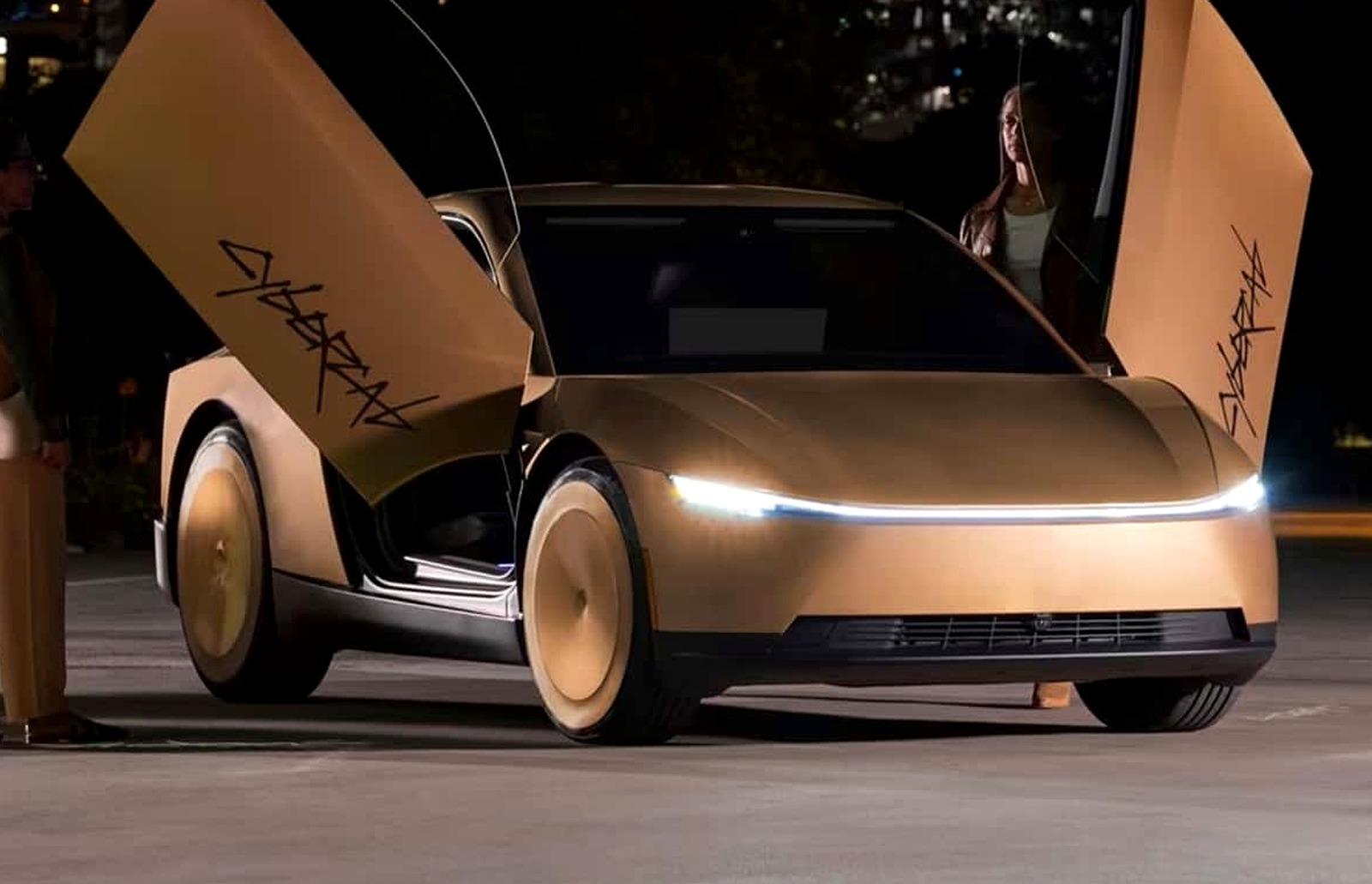
| 🚀 Key Takeaways: • The Tesla Cybercab has officially arrived on public roads in Austin without traditional brake pedals or a steering wheel. • Regulatory bodies are now challenging Tesla’s self-certification process under Federal Motor Vehicle Safety Standards. • Following in the footsteps of Zoox, Tesla faces a NHTSA probe that could define the legal framework for autonomous mass-transit vehicles. |
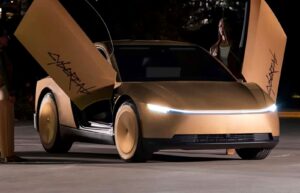
The Tesla Cybercab has officially hit the streets of Austin, Texas, signaling a bold—and potentially reckless—disruption of the established automotive order. While Tesla champions this radical, steering-wheel-less design as the future of mobility, the National Highway Traffic Safety Administration (NHTSA) is now hitting the brakes to demand accountability.


Analyzing the Tesla Cybercab Regulatory Standoff
Investigating the recent rollout, the agency is questioning how the Tesla Cybercab satisfies core safety mandates. Specifically, regulators are probing the lack of side-view mirrors and physical brake pedals. Without these components, the vehicle sits in a legal grey zone that defies decades of established occupant protection regulations.
Consequently, the automaker must now justify its internal testing protocols before the September 30 deadline. Furthermore, this investigation underscores a growing tension between silicon-valley agility and the stringent, non-negotiable requirements of Federal Motor Vehicle Safety Standards.
| ⚙️Engine / Powertrain | Full Electric Drive |
| 🐎Power Output | TBA |
| ⚡Peak Torque | TBA |
| ⏱️0-60 mph (0-100 km/h) | TBA |
| 🚀Top Speed | TBA |
| 🔄Drivetrain / Gearbox | Rear-Wheel Drive |
| 💰Starting Price / Est. | $30,000 (est. target) |
Competitor Analysis: Tesla vs. The Robotaxi Field
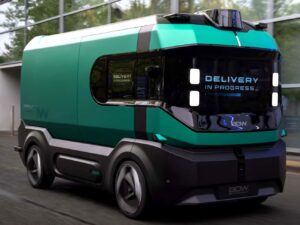
Compared to the Zoox autonomous pod, the Tesla Cybercab takes a significantly more minimalist approach. Whereas Zoox successfully navigated the exemption process to secure a commercial license, Tesla appears to be betting on self-certification. Meanwhile, Waymo continues its steady, sensor-heavy expansion, relying on proven Jaguar I-PACE hardware that complies with all existing road safety laws.
Ultimately, the business case for Tesla relies on massive scale and low overhead. If regulators force the company into a lengthy exemption process, the manufacturing economics could quickly lose their luster. Such a regulatory headwind could easily stifle their production cadence, forcing a shift in their long-term market positioning.
Pricing, Available Trims, and Ownership Value
Regarding affordability, Tesla has long teased a starting MSRP under $30,000 for its autonomous fleet. However, until the vehicle gains full legal clearance, these figures remain speculative at best. Insurance considerations will likely be centralized by the operator, potentially reaching $200-$400 monthly per unit in high-density urban environments. Despite the lack of an official warranty, expect a fleet-focused service program mirroring the 4-Year/50,000-Mile coverage seen on current consumer models like the Model 3.
Future Speculation and Market Impact
Predicting the outcome requires looking at past legislative history. Given the current administration’s shift in autonomous vehicle policy, Tesla might secure a compromise. Nevertheless, the brand must ensure that its electronic stability control and turn signal operations meet federal benchmarks. Should they succeed, the Tesla Cybercab will undoubtedly become the benchmark for urban transit, though a failure here would deal a massive blow to the company’s valuation.
Ultimately, the industry is watching this probe with bated breath. Will the regulators blink, or will they force a return to the drawing board for a project that clearly prioritizes technology over tradition?
Liam Campbell
Industry Intelligence & News Editor at Auto News Magazine. Tracking prototype spy shots, Nürburgring development mules, automaker corporate moves, and breaking global automotive scoops.
View all articles by Liam Campbell →