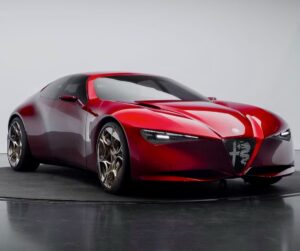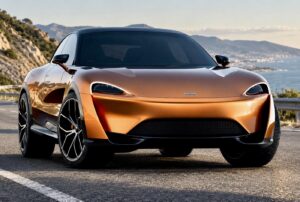
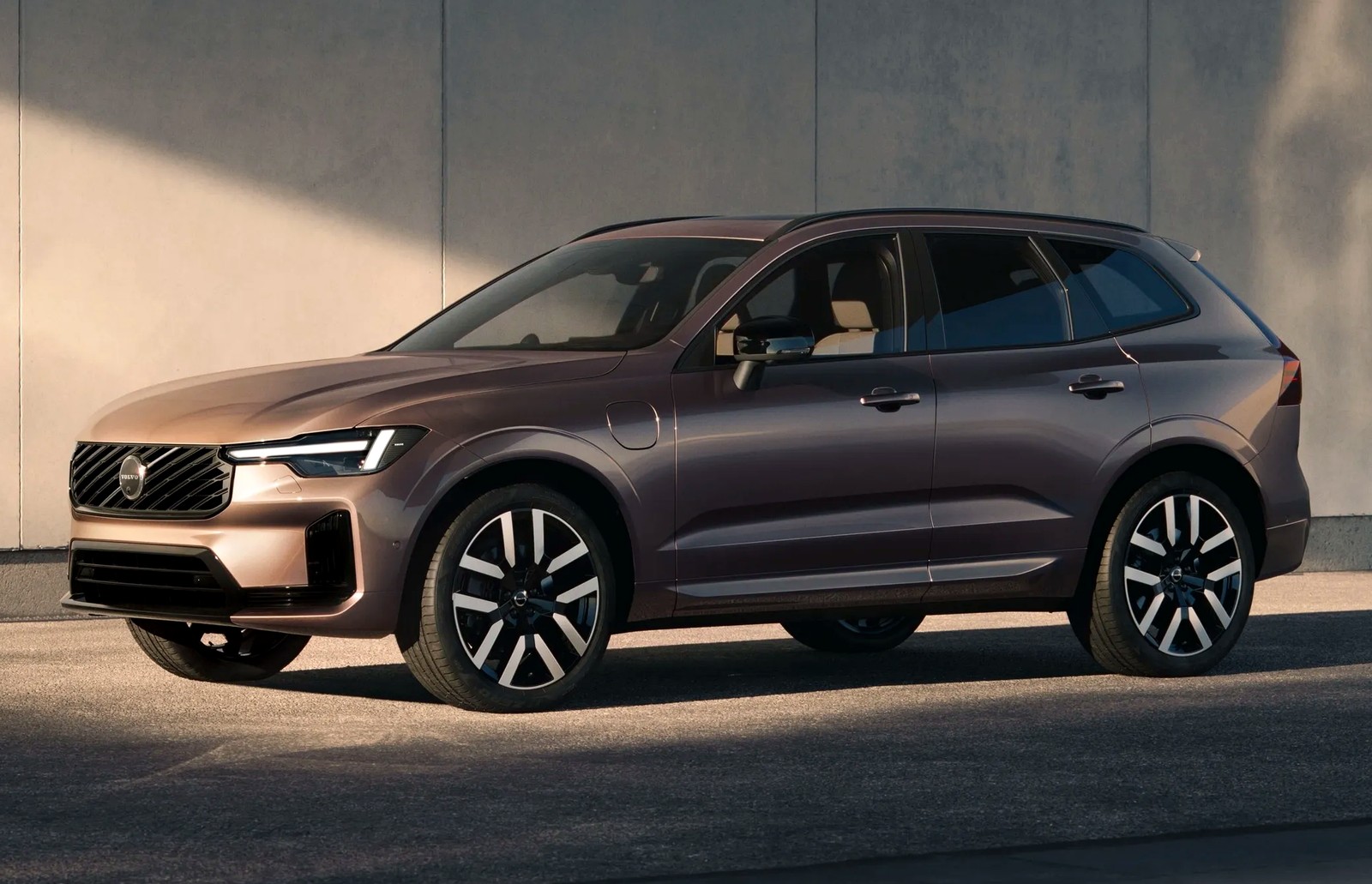
| 🚀 Key Takeaways: • Volvo will launch 13 new vehicles globally by the end of 2030. • Strategic development focuses on the SPA2 and SPA3 platforms to optimize modular economics. • Plans include a mix of hybrids and EVs to navigate complex global emissions regulations. |
The automotive landscape is undergoing a tectonic shift, and Volvo is currently recalibrating its trajectory to avoid becoming a casualty of premature electrification. While initial goals of a pure EV lineup faced stiff market resistance, the brand is now executing a massive product pivot to safeguard its future.


Volvo Plans to Roll Out 13 New Vehicles by 2030
In a bold move to stabilize its market positioning, the manufacturer confirmed a staggering 13 new vehicle launches scheduled through 2030. According to Volvo, this massive cadence represents the most aggressive product push in their 99-year history. Consequently, the company is moving to reclaim lost ground against legacy premium rivals.
Specifically, this plan targets three primary sales regions: the United States, Europe, and China. To manage costs effectively, the company will utilize the sophisticated SPA2 platform found in the EX90 and the incoming SPA3 architecture. Furthermore, six of these upcoming models will be developed in collaboration with Geely to dominate the Chinese market.
| ⚙️Engine / Powertrain | Hybrid / Electric Powertrains |
| 🐎Power Output | 300 – 500 HP (est.) |
| ⚡Peak Torque | 310 – 600 lb-ft (est.) |
| ⏱️0-60 mph (0-100 km/h) | 0-60 mph in 3.8s – 5.5s |
| 🚀Top Speed | 112 – 155 mph |
| 🔄Drivetrain / Gearbox | AWD / RWD |
| 💰Starting Price / Est. | $45,000 (est. base) |
Strategic Shifts and Design Evolution
Beyond modular platform economics, Volvo is finally listening to the vocal critics of its minimalist interior philosophy. Design chief Thomas Ingenlath recently suggested that the next generation of cabins will see the return of physical buttons to improve ergonomics. In fact, the brand aims to balance touchscreen flexibility with the tactile necessity of traditional controls for frequent driver functions.
Meanwhile, rumors of a new station wagon remain a point of significant intrigue for enthusiasts. CEO Håkan Samuelsson has hinted that the lineup will diversify beyond the current saturation of SUVs and crossovers. Ultimately, this strategic product cadence suggests a brand that is learning to prioritize consumer demand over rigid, one-size-fits-all mandates.
Pricing, Available Trims, and Ownership Value
Regarding financial accessibility, Volvo is expected to maintain its premium segment benchmark pricing. While official figures remain under wraps for upcoming models, we anticipate a Starting MSRP of $45,000 for entry-level variants. In addition, expect a Warranty: 4-Year/50,000-Mile coverage package as standard across the lineup.
For those considering financing, an Est. Monthly Lease: $650/mo is a realistic starting point for mid-range models. Furthermore, insurance premiums will likely track with current industry standards for luxury vehicles. As the market evolves, these new additions will compete directly with the Audi A6 and the BMW 5 Series in terms of overall ownership value.
Ultimately, the long-term resale value of these new Volvo models hinges on their ability to integrate future-proof software. If the manufacturer successfully balances the return of tactile controls with high-end tech, these cars should hold their value well. Investors should monitor this transition closely.

Liam Campbell
Industry Intelligence & News Editor at Auto News Magazine. Tracking prototype spy shots, Nürburgring development mules, automaker corporate moves, and breaking global automotive scoops.
View all articles by Liam Campbell →