

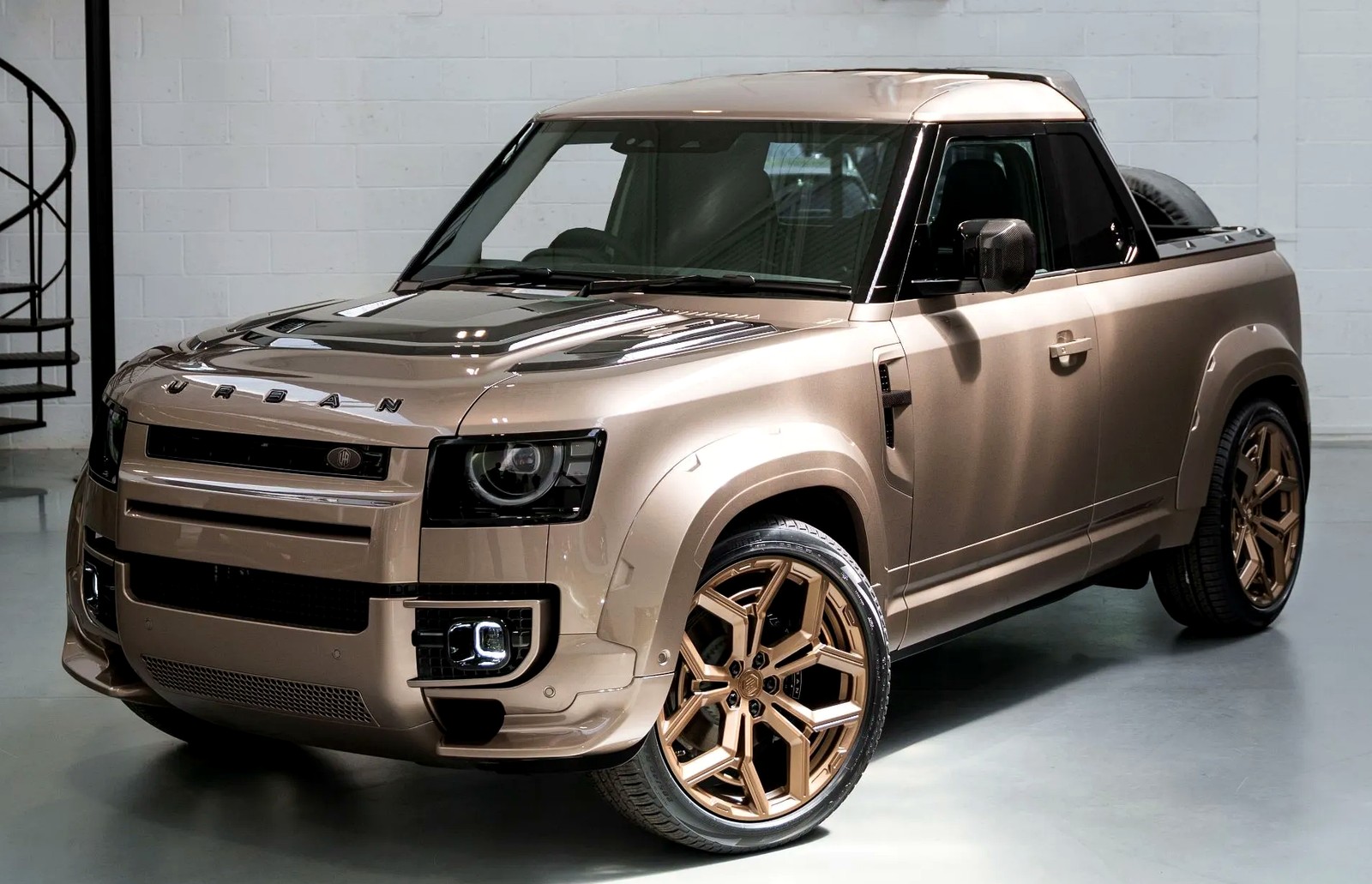
| 🚀 Key Takeaways: • JLR is exploring a Land Rover Defender Pickup through a strategic alliance with Stellantis. • Leveraging Stellantis architecture could provide the torsional rigidity required for true heavy-duty off-road utility. • Aiming for the North American market, the truck would likely be manufactured in the US to bypass import tariffs. |
Rumors regarding a Land Rover Defender Pickup have finally ignited into a formal strategic discussion between British engineering and Stellantis. This partnership aims to bridge the gap between iconic off-road heritage and the brutal realities of American manufacturing economics.


The Land Rover Defender Pickup Strategy
Strategically, JLR faces a significant hurdle when considering niche production in the United States. CFO Richard Molyneux noted that manufacturing just 30,000 units annually simply does not make fiscal sense for a premium brand. Consequently, aligning with Stellantis offers the production scale necessary to make this project financially viable.
Borrowing architecture from a platform like the Ram 1500 or the Jeep Gladiator would fundamentally change the vehicle’s character. While purists might cringe, this integration provides the torsional rigidity and heavy-duty towing capacity that the standard SUV chassis might lack. Furthermore, building the truck domestically avoids the 25% chicken tax that historically stifled foreign-made light trucks in the US.
| ⚙️Engine / Powertrain | 3.0L Inline-Six MHEV |
| 🐎Power Output | 400 HP |
| ⚡Peak Torque | 406 lb-ft |
| ⏱️0-60 mph (0-100 km/h) | 0-60 mph in 5.8s |
| 🚀Top Speed | 120 mph |
| 🔄Drivetrain / Gearbox | 8-Speed Automatic / AWD |
| 💰Starting Price / Est. | $85,000 (est.) |
Vs. The Competition
Competition in the luxury truck segment is historically littered with failures like the Mercedes-Benz X-Class. Unlike the X-Class, which felt like a reskinned Nissan, a Land Rover Defender Pickup must retain its soul. Rival offerings like the Ford F-150 King Ranch dominate via pure comfort and brute force. Conversely, a potential Jeep Gladiator overlap creates an internal identity crisis for the group. Ultimately, JLR must differentiate through superior material quality and advanced throttle mapping for rock crawling.
Pricing, Available Trims, and Ownership Value
Positioned as a premium lifestyle hauler, entry-level pricing will likely start near Starting MSRP: $85,000 to avoid cannibalizing standard Defender sales. Expect high-spec models, possibly featuring a 400-horsepower mild-hybrid engine, to push closer to $115,000. Ownership costs will be significant, with an Est. Monthly Lease: $1,200/mo based on current luxury truck residual trends. Owners should budget for a 4-Year/50,000-Mile Warranty while anticipating high insurance premiums. For more insights on the brand’s evolution, visit Auto News Magazine or check out Land Rover.
Future Speculation
Collectibility will hinge on how much “Land Rover DNA” survives the Stellantis integration. If the chassis feels like a recycled Ram, values will stagnate like the Cadillac Escalade EXT. However, if JLR manages to bake in authentic off-road prowess, this truck could become a modern classic. Personally, I suspect this will be a high-margin, low-volume halo vehicle designed specifically for American enthusiasts who demand luxury utility.
Conclusion
Ultimately, the Land Rover Defender Pickup represents a calculated gamble for JLR. By prioritizing the American market, they are chasing volume and growth. If they succeed, this model could cement their place as a premier global player. If they fail, it will serve as another cautionary tale of badge engineering gone wrong.

Callum Brookes
Field & Terrain Dynamics Editor at Range Rover Fans. Veteran off-road expedition leader evaluating Defender overland builds, air suspension telemetry, and extreme cross-continent terrain testing.
View all articles by Callum Brookes →