Project Nightingale: Rolls-royce Is Torture-Testing Its Future Trunk 15,000 Times
 Liam Campbell
3 minutes read
Liam Campbell
3 minutes read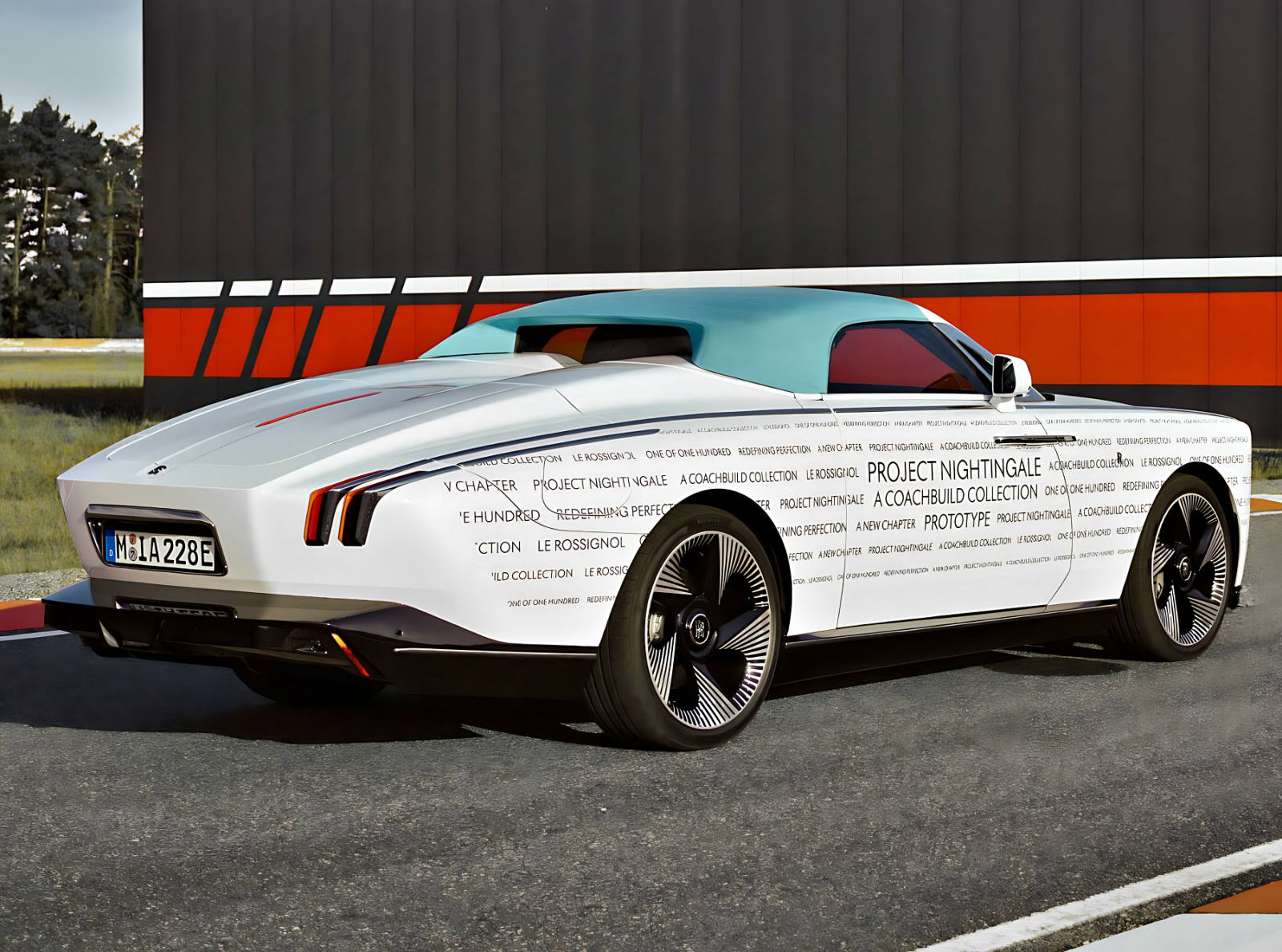
| 🚀 Key Takeaways: • The bespoke Project Nightingale is now undergoing an exhaustive 350-week testing program. • Engineers will cycle the Piano Boot mechanism 15,000 times to ensure zero tolerance for failure. • Production is limited to 100 customer units, with initial deliveries expected in 2028. |
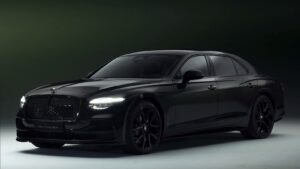
Rolls-royce is pushing the boundaries of bespoke engineering with its new Project Nightingale, a flagship electric grand tourer that signals a radical shift for the Goodwood marque.


Engineering Precision Behind Rolls-royce Is Torture-Testing
Operating as a key pillar of the firm’s Coachbuild Collection, this EV isn’t merely a luxury vehicle. Consequently, the company has initiated a rigorous, 350-week global testing program to validate its platform architecture. Engineers are currently subjecting prototypes to extreme environmental stress, ranging from the sub-zero Arctic to the intense heat of the Arabian Peninsula. In fact, these machines must conquer altitudes reaching 9,000 feet, ensuring the powertrain remains unfazed by oxygen-thin mountain air.
Furthermore, the car features the intricate Piano Boot, a split trunk mechanism that relies on a cantilevered design. Because reliability is non-negotiable at this price point, Rolls-royce is cycling this trunk 15,000 times to guarantee mechanical perfection. Ultimately, owners of these 100 limited units demand a silence that spans across every moving component. This level of obsession, discussed frequently at Auto News Magazine, remains the brand’s primary competitive moat.
| ⚙️Engine / Powertrain | Electric Dual-Motor |
| 🐎Power Output | Estimated 600+ HP |
| ⚡Peak Torque | Estimated 900 Nm |
| ⏱️0-60 mph (0-100 km/h) | 0-60 mph in 3.5s (est.) |
| 🚀Top Speed | 155 mph (250 km/h) |
| 🔄Drivetrain / Gearbox | AWD |
| 💰Starting Price / Est. | $2,000,000+ (Est.) |
Aerodynamics and Cabin Serenity
Aerodynamic efficiency remains paramount for an electric grand tourer of this scale. Therefore, the team completed over 1,430 hours of wind-tunnel simulations before even hitting the tarmac. Moreover, the vehicle is designed to maintain poise at its top speed of 155 mph without compromising cabin tranquility. By integrating a bespoke electric wind deflector, the company ensures that high-speed top-down motoring remains effortless and whisper-quiet.
Pricing, Available Trims, and Ownership Value
Predicting the final market cost for a coach-built Rolls-Royce is complex, yet industry analysts suggest a Starting MSRP well into the multi-million-dollar range. Unlike mass-market luxury, there are no traditional “trims” here; every unit is a commission. Est. Monthly Lease figures are largely irrelevant, given the likely cash-purchase nature of these buyers. Warranty coverage is expected to align with the brand’s 4-Year/Unlimited-Mile standard, though ownership costs will be heavily influenced by specialized insurance and long-term battery maintenance. Ultimately, these vehicles serve as rolling art, likely appreciating significantly as high-end collector assets upon the 2028 delivery date.
Future Speculation
Predicting the future of Project Nightingale requires looking at historical coach-built values. Given the 100-unit production run, expect this vehicle to become an instant centerpiece for global car collections. As the industry moves toward complete electrification, the scarcity of a hand-built, open-top Rolls-Royce will likely drive secondary market prices to astronomical levels. Ultimately, this isn’t just a car; it is a definitive statement on the longevity of internal craftsmanship in an electric era.
Conclusion: By refining every latch, bolt, and seal, the brand is ensuring its transition to battery-electric power retains the “Rolls-Royce feel.” If this prototype testing is any indication, the future of the marque remains as opulent as its past.
Liam Campbell
Industry Intelligence & News Editor at Auto News Magazine. Tracking prototype spy shots, Nürburgring development mules, automaker corporate moves, and breaking global automotive scoops.
View all articles by Liam Campbell →