Porsche Motorsport Customer Racing: The 75-Year Blueprint for Automotive Dominance
 Liam Campbell
3 minutes read
Liam Campbell
3 minutes read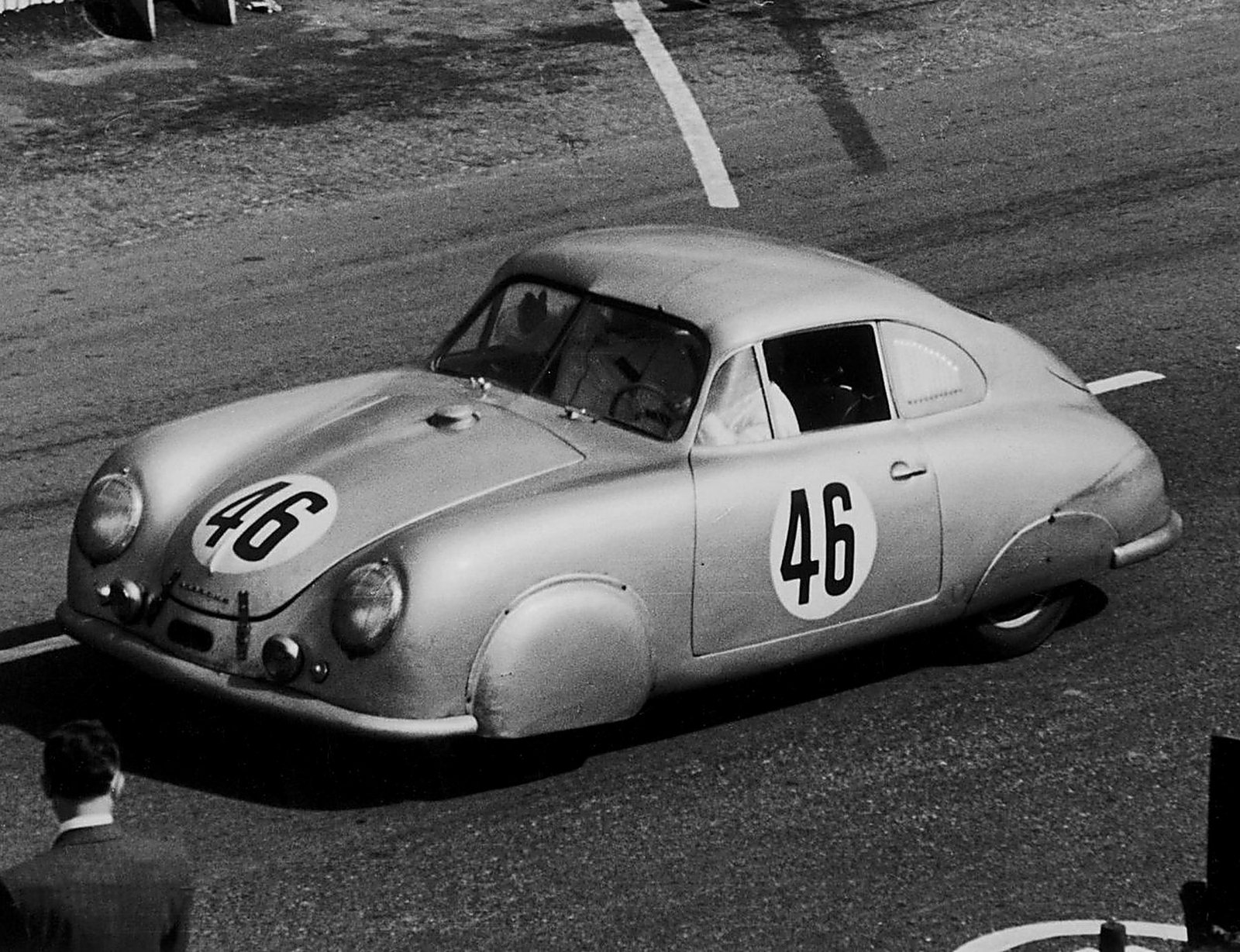
| 🚀 Key Takeaways: • Porsche Motorsport Customer Racing celebrates 75 years of continuous racing heritage. • The 911 GT3 Cup remains a global leader with 5,000+ units produced for track enthusiasts. • A 356 SL secured the brand’s first class win at Le Mans in 1951, igniting a global racing dynasty. |
For seven decades, Porsche has treated the racetrack as its primary R&D laboratory. Specifically, the success of Porsche Motorsport Customer Racing has proven that turning enthusiasts into competitors is the ultimate business model. By democratizing speed, the Stuttgart-based giant has built a pyramid of performance that ranges from amateur track days to the grueling 24 Hours of Le Mans.


The Economic Engine Behind Porsche Motorsport Customer Racing
Strategic product cadence remains the secret to this long-term success. Unlike manufacturers who merely dip their toes into racing for marketing optics, Porsche has codified its Motorsport Customer Racing division into a profitable, self-sustaining ecosystem. According to the official Porsche newsroom, this division acts as a vital bridge between the factory and the privateer team. Consequently, it creates a pipeline where data from the track directly informs the next generation of road-legal sports cars.
Furthermore, the 911 platform serves as the bedrock of this commercial strategy. With over 5,000 examples of the 911 GT3 Cup produced, it is arguably the most successful race car in history. Such volume allows Porsche to achieve massive economies of scale, making professional-grade racing hardware accessible to well-heeled privateers.
| ⚙️Engine / Powertrain | 4.0L Naturally Aspirated Flat-Six |
| 🐎Power Output | 510 HP |
| ⚡Peak Torque | 470 Nm (347 lb-ft) |
| ⏱️0-60 mph (0-100 km/h) | 0-60 mph in 3.0s |
| 🚀Top Speed | 186 mph (300 km/h) |
| 🔄Drivetrain / Gearbox | 6-Speed Sequential / RWD |
| 💰Starting Price / Est. | $250,000 (est. GT3 Cup) |
Competitor Analysis: The Privateer Wars
When measuring Porsche Motorsport Customer Racing against the competition, one must look at the Ferrari Challenge series and the BMW M Motorsport program. While Ferrari leans heavily into the exclusivity of the V8-powered 488 Challenge, Porsche offers a broader spectrum of accessibility. Specifically, the Porsche pyramid allows a driver to start in a base 718 Cayman GT4 RS and climb all the way to the 963 LMDh hypercar.
In contrast, BMW focuses heavily on GT3-spec machinery like the M4 GT3. However, BMW lacks the sheer depth of a turn-key ladder system that starts at the Porsche Experience Center level. Therefore, Porsche holds a distinct market advantage in retaining customer loyalty across a driver’s entire career.
Pricing, Available Trims, and Ownership Value
Investing in a career within the Porsche Motorsport Customer Racing sphere is a significant financial commitment. For entry-level enthusiasts, the Porsche Track Experience master courses range from $3,000 to $10,000 per event. Meanwhile, moving into a dedicated 911 GT3 Cup race car requires a budget starting around $250,000 for the chassis alone.
Additionally, privateers must account for operating costs, which typically run $500 to $1,500 per track hour depending on the series. While these figures seem steep, the residual value of a Cup car is historically high compared to the broader industry. Ultimately, buyers aren’t just paying for a vehicle; they are purchasing access to a globally standardized support network. Check out the latest developments at Auto News Magazine for more on the shifting landscape of high-performance automotive sales.
Future Speculation: Electrification and Resale
Looking ahead, the shift toward electrified powertrains in Formula E will fundamentally reshape how this brand approaches customer racing. Will the 975 RSE eventually lead to an all-electric customer GT program? It is highly probable. Collectors should expect current combustion-powered GT3 Cup models to see a spike in valuation as the industry transitions to silent, battery-driven racing. Consequently, holding onto these legacy machines is a sound strategy for any serious automotive investor.
Ultimately, Porsche Motorsport Customer Racing has survived and thrived because it treats its customers as part of the factory. By maintaining this close relationship, the brand ensures its racing legacy remains untouchable. The future remains bright for those who dare to race.
Liam Campbell
Industry Intelligence & News Editor at Auto News Magazine. Tracking prototype spy shots, Nürburgring development mules, automaker corporate moves, and breaking global automotive scoops.
View all articles by Liam Campbell →