Mercedes Display Tech Turns Car Windows Into Screens for Following Traffic
 Liam Campbell
2 minutes read
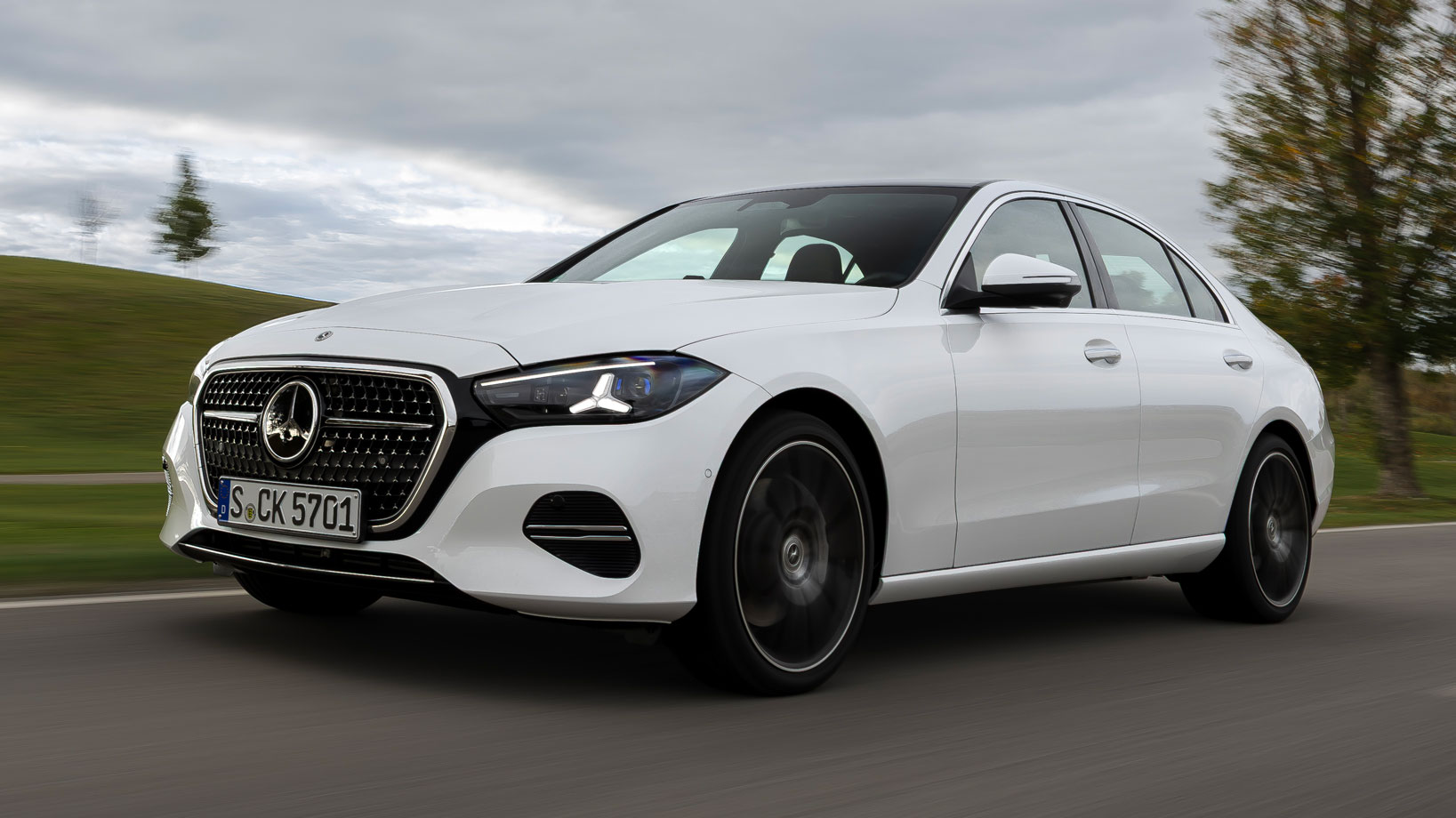
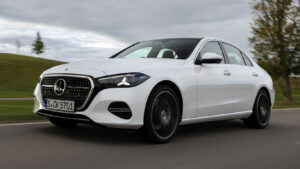
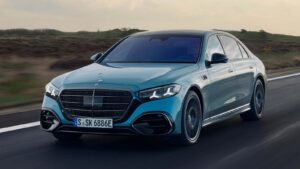
Mercedes Display Tech is about to turn the car itself into a broadcaster. Mercedes is developing LED elements embedded in the glass that stay invisible when switched off. Once active, they could flash traffic information and warning signs to the cars behind. It is a bold industry bet that reframes the car as a media platform.


Mercedes Display Tech Looks Outward
Mini LEDs suit large areas such as a rear window, where they could display traffic data and brake light warnings. Micro LEDs handle the smaller panels, running animations that a conventional lamp cannot match. Switch them off, and the glass reverts to a normal pane. Compare that with the Genesis GV90, which chases cinematic scale inside the cabin. Mercedes is pushing its screens outward instead, toward everyone else on the road.
On paper, the idea is clever. In reality, it raises regulatory questions about what a following driver should see, and how quickly. Still, a rear-facing warning that supplements a brake lamp could help reaction times in dense traffic. No production date has been attached to the technology yet, and that uncertainty matters for suppliers and rivals alike.
Holo Display Could Clear the Dashboard
Holo Display is the more commercially interesting proposition. A projector pairs with a transparent holographic film laminated into the windscreen. The result is far more detailed imagery than a conventional HUD, including video. Viewing angles restrict content, so the passenger cannot see the driver’s navigation. That matters, because Mercedes Display Tech could finally ease the screen clutter that defines the brand’s Hyperscreen cars.
Battery Converter Quietly Steals the Show
Away from the glass, Mercedes has also unveiled a new power converter for high-voltage batteries. It manages energy flow to individual cells, delivering up to 800 volts regardless of charge state or battery age. That flexibility could shrink packs and their electronics, which benefits both full EVs and plug-in hybrids. Range and efficiency gains are possible, though no figures have been published yet.
Ultimately, Mercedes Display Tech offers a useful glimpse at where the brand’s engineering budget is heading. Ida Wolf’s emphasis on precision over promises fits the moment, since this is still development, not showroom hardware. Expect the first applications on flagship models, where costs are easier to absorb, before the tech trickles down the range. For more from our team, visit Auto News Magazine or the official Mercedes-Benz site.
Liam Campbell
Industry Intelligence & News Editor at Auto News Magazine. Tracking prototype spy shots, Nürburgring development mules, automaker corporate moves, and breaking global automotive scoops.
View all articles by Liam Campbell →