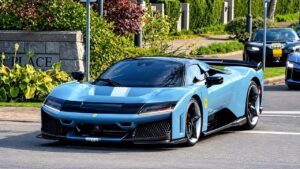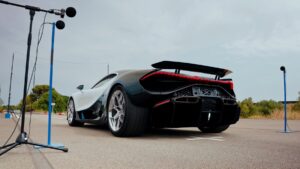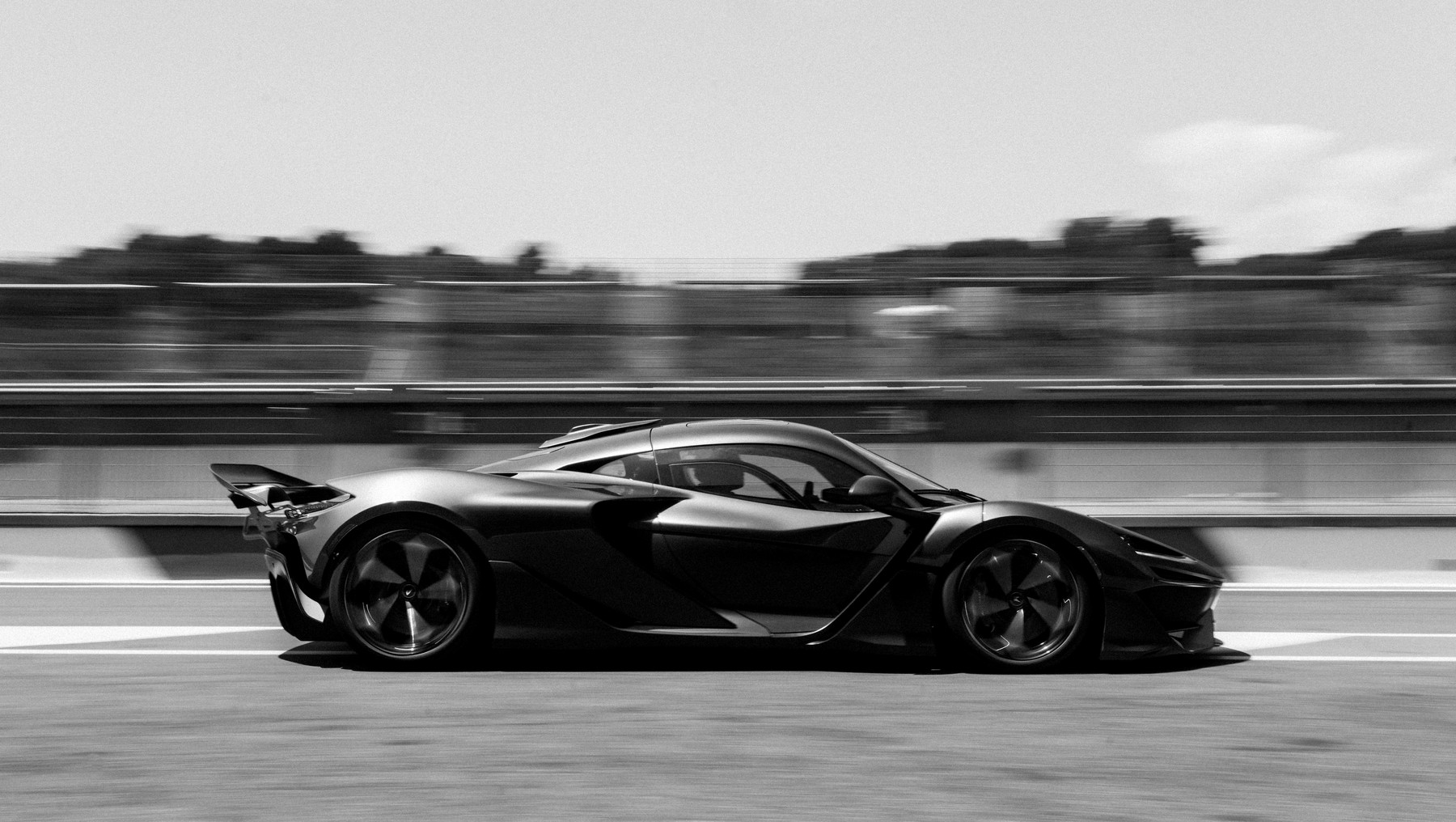
The McLaren W1 doesn’t do subtlety. According to a recent report by ROADANDTRACK.COM, Macca’s latest hypercar was recently spotted tearing through Italian roads with the kind of audacity that makes Prancing Horses nervous. This isn’t a diplomatic visit—it’s a declaration of war on Ferrari’s home turf, and the McLaren W1 arrived armed with 1,258 horsepower of hybrid fury.


Furthermore, the engineering philosophy here is pure Marcus Vance territory: mechanical soul over digital theater. The McLaren W1 pairs a 4.0-liter twin-turbo V8 with electric motor assistance, creating a hybrid powertrain that doesn’t compromise on visceral engagement. Therefore, you get the mechanical symphony of a naturally aspirated engine married to instant electric torque delivery—a combination that launches this beast to 60 mph in 2.7 seconds with the ferocity of a scalded cat.
Aerodynamic Precision Meets Italian Passion
However, raw horsepower tells only half the story. The McLaren W1 features active aerodynamics that adjust in real-time, managing downforce across the entire speed spectrum. Consequently, this hypercar achieves a 250 mph top speed while maintaining the kind of chassis composure that makes mid-corner adjustments feel like threading a needle at 150 mph. The carbon-fiber monocoque chassis weighs virtually nothing, ensuring that every ounce of power translates directly to acceleration and agility.
| ⚙️Engine / Powertrain | 4.0L Twin-Turbo V8 + Electric Motor Hybrid |
| 🐎Power Output | 1,258 HP combined |
| ⚡Peak Torque | 1,187 lb-ft (1,609 Nm) |
| ⏱️0-60 mph (0-100 km/h) | 0-60 mph in 2.7s (est.) |
| 🚀Top Speed | 250 mph (402 km/h) |
| 🔄Drivetrain / Gearbox | Hybrid AWD / 8-Speed Dual-Clutch |
| 💰Starting Price / Est. | $2.3 Million (est.) |
In addition, the steering feedback is unfiltered and communicative—the kind of direct connection between driver and asphalt that modern supercars have largely abandoned. The McLaren W1 refuses to coddle you with numb electric power steering or artificial haptic feedback. Instead, it demands respect, rewards precision, and punishes hesitation with the kind of oversteer that separates enthusiasts from passengers.
Why Italy? Why Now?
Spotting the McLaren W1 in Italy is no accident. Moreover, this is McLaren’s statement: we belong in the conversation with Ferrari, Lamborghini, and Pagani. The hypercar market has become a battleground of engineering philosophies, and the McLaren W1 represents the British approach—lightweight, driver-focused, and utterly uncompromising on track dynamics. At approximately $2.3 million, it’s positioned as the thinking enthusiast’s hypercar, not a billionaire’s garage ornament.
Ultimately, the McLaren W1 will become a collector’s legend. Its hybrid powertrain, active aerodynamics, and mechanical purity ensure that resale values will climb steadily as enthusiasts recognize it as the last of a dying breed—a hypercar that prioritizes the driver’s connection over autonomous technology and artificial intelligence. This is automotive purity in an age of digital mediation, and that rarity alone guarantees its place in hypercar history.
For more insights on cutting-edge automotive performance, explore Auto News Magazine for comprehensive coverage of the hypercar revolution.

Marcus Vance
Senior Track & Performance Editor at Auto News Magazine. Veteran automotive journalist specializing in chassis dynamics, apex telemetry, track-day specials, and high-revving mechanical purity.
View all articles by Marcus Vance →