Mazda Next-Generation Sports Car: Exclusive Patent Intel Reveals Major Structural Shift
 Liam Campbell
3 minutes read
Liam Campbell
3 minutes read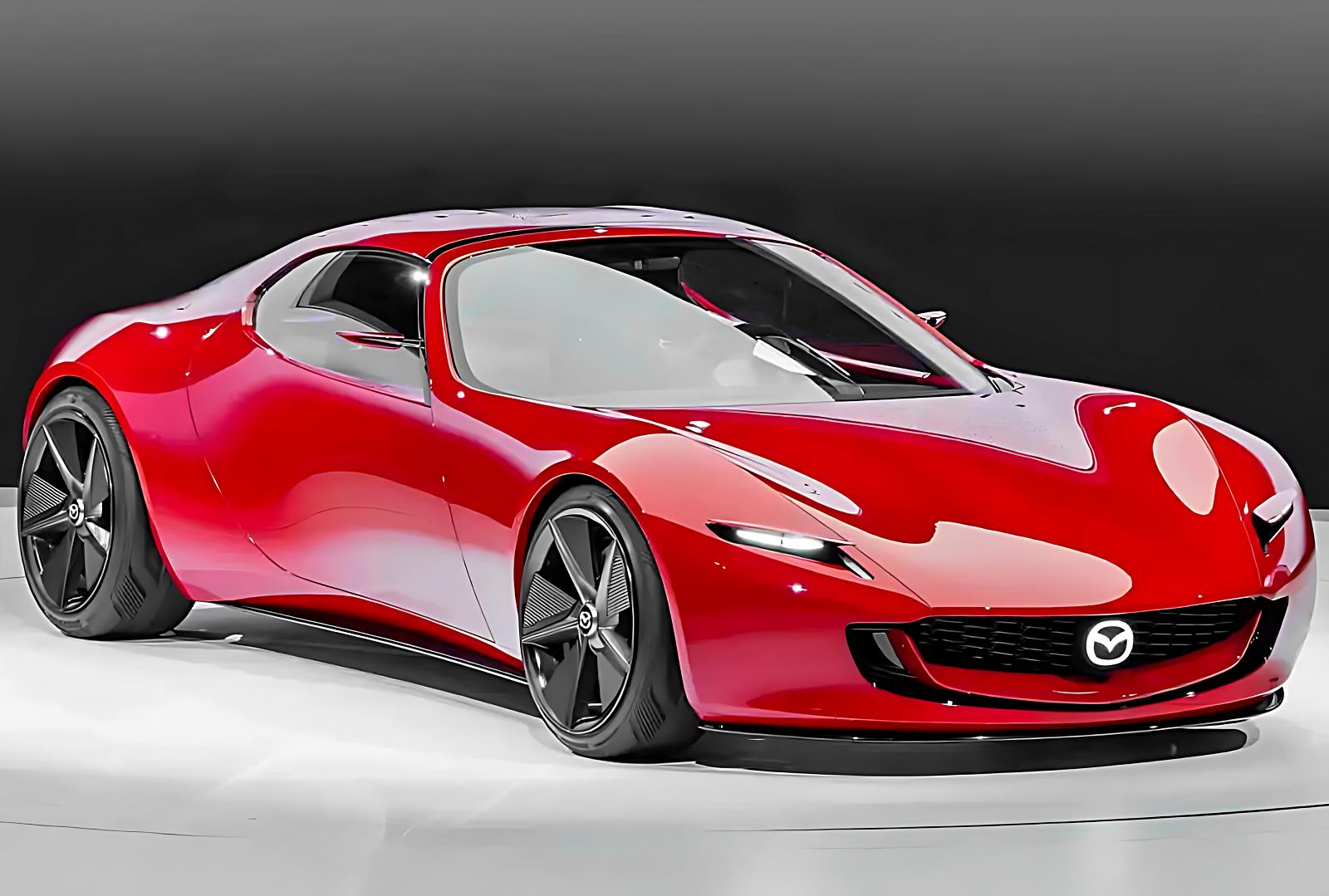
| 🚀 Key Takeaways: • A new Mazda Next-Generation Sports Car patent reveals a radical cast-chassis design. • Engineers are prioritizing structural rigidity while solving complex cowl-packaging constraints. • Development remains focused on maintaining a lightweight architecture under $40,000. |
Industry observers and purists alike are watching closely as the Mazda Next-Generation Sports Car undergoes its most significant structural evolution in decades. Recently surfaced patent documents confirm that engineers are moving toward sophisticated casting methods to ensure this icon survives modern safety mandates without bloating in size.


Decoding the Mazda Next-Generation Sports Car Architecture
Specifically, this patent filing highlights a major pivot in how the front-end structure integrates with the chassis. By utilizing complex casting instead of traditional stamping, Mazda aims to solve the age-old packaging struggle between structural load-bearing and auxiliary component placement. Consequently, the new frame sections feature a distinct U-shape, creating a wider, flatter profile that houses essential components like the brake booster and wiper assemblies.
Furthermore, this design shift is essential for maintaining the car’s legendary torsional rigidity. Without these structural enhancements, the Mazda Next-Generation Sports Car would fail to meet increasingly stringent global crash safety standards. Interestingly, early diagrams bear a striking resemblance to the Iconic SP concept, fueling speculation regarding the brand’s design trajectory.
| ⚙️Engine / Powertrain | 2.0L Skyactiv-G (Expected) |
| 🐎Power Output | 200 HP (est.) |
| ⚡Peak Torque | 155 lb-ft (est.) |
| ⏱️0-60 mph (0-100 km/h) | 0-60 mph in 5.8s |
| 🚀Top Speed | 140 mph |
| 🔄Drivetrain / Gearbox | Rear-Wheel Drive |
| 💰Starting Price / Est. | $38,000 (est.) |
Competitor Analysis: Standing Against The Crowd
Market positioning for a pure-bred sports car remains a treacherous endeavor. Currently, the Mazda Next-Generation Sports Car faces stiff competition from the Toyota GR86 and the Subaru BRZ. While these rivals utilize traditional, rigid steel platforms, they often prioritize raw mechanical simplicity over advanced chassis integration. In contrast, Mazda is gambling that a more premium, structurally innovative approach will justify a higher price point.
Meanwhile, the looming threat of the Alpine A110 provides a benchmark for what a lightweight, mid-engine-inspired chassis can achieve. While the Alpine remains a European specialty, it represents the gold standard for agility in the sub-2,500 lb category. Ultimately, Mazda must balance these performance expectations with the platform-sharing economics that keep their business profitable. For more on industry shifts, check our latest update at Auto News Magazine.
Pricing, Available Trims, and Ownership Value
Predicting the sticker price of a future halo model is rarely an exact science. However, analysts expect the Mazda Next-Generation Sports Car to carry a Starting MSRP: $38,000 to account for the increased manufacturing complexity. Unlike the current ND generation, which offers incredible value, the next iteration will likely shift into a slightly more premium space.
Regarding ownership costs, owners should anticipate an Est. Monthly Lease: $550/mo depending on credit and down payment. Fortunately, the brand maintains a standard Warranty: 3-Year/36,000-Mile bumper-to-bumper policy that provides decent peace of mind. Moreover, insurance premiums for such a nimble machine remain favorable, provided the driver maintains a clean record. According to Mazda, the brand remains committed to the “Jinba Ittai” philosophy of driver and car unity.
Future Speculation: A Collector’s Item?
Historically, the Miata lineage has been characterized by accessibility, not rarity. Despite this, the potential for a limited-run variant using this new cast-chassis technology could significantly bolster long-term resale value. In fact, if the final production model retains the bold styling of recent concepts, early adopters might see their vehicles become instant modern classics. Expect demand to far outstrip supply, especially if internal combustion is kept as a primary propulsion source.
Ultimately, the challenge remains balancing these ambitious engineering goals with the realities of modern emission regulations. If Mazda successfully executes this structural overhaul, the result will likely define the brand for the next decade. Therefore, keep your eyes on the Nürburgring, as we expect test mules to emerge with this hardware shortly.
Liam Campbell
Industry Intelligence & News Editor at Auto News Magazine. Tracking prototype spy shots, Nürburgring development mules, automaker corporate moves, and breaking global automotive scoops.
View all articles by Liam Campbell →