Porsche Cayenne Electric Arrives in Three Trims, From $109,000 to 1,139 HP
 Julian Hayes
3 minutes read
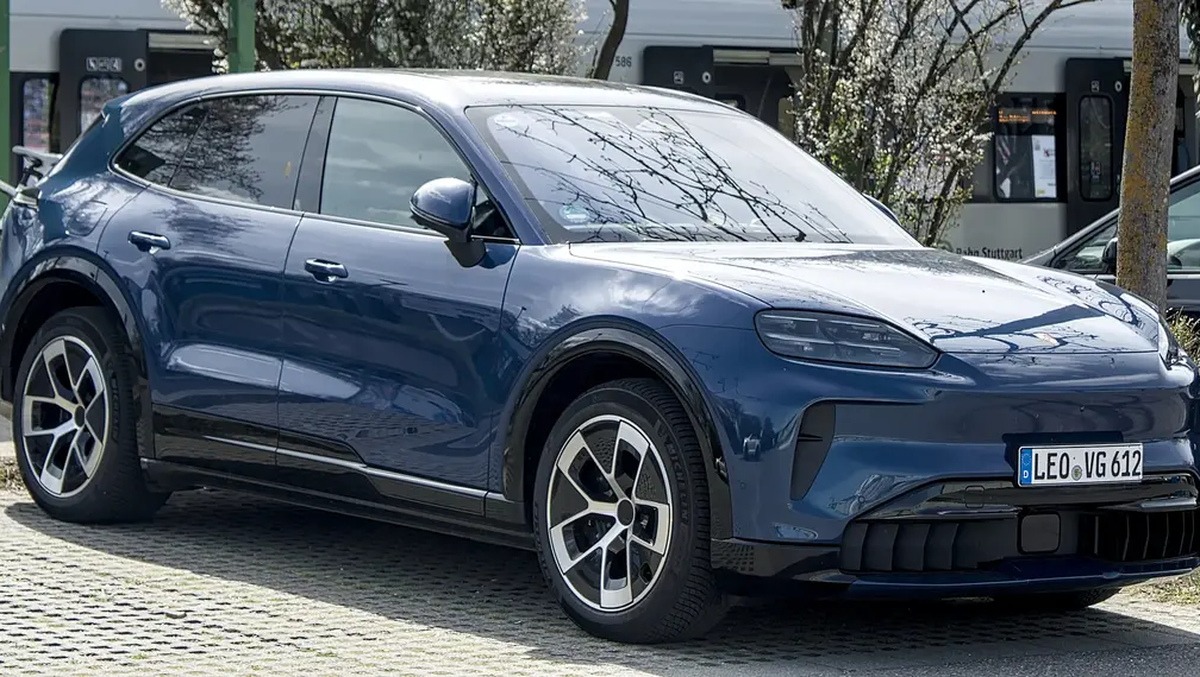
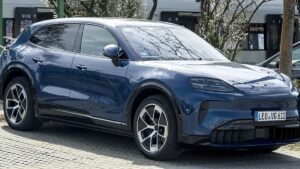
The Porsche Cayenne Electric is Porsche’s first fully electric take on its largest SUV, and it arrives with serious intent. Built on the 800-volt PPE architecture shared with the Macan EV, it is not a facelift of the gas car. Porsche built a separate machine that shares a name and little else.


Three Personalities for Porsche Cayenne Electric
The base Cayenne Electric is far from slow, producing 435 hp with Launch Control and reaching 0-60 mph in 4.5 seconds. Its $109,000 starting price buys the full 113 kWh battery and the longest range in the lineup. Even so, the S splits the difference with 657 hp and a 3.6-second sprint, priced at $126,300 before delivery.
The Turbo sits at the summit and wears Porsche’s most powerful production badge. Despite the name, there is no turbocharger, just two motors and a healthy supply of electrons. Its 1,139 horsepower and 1,106 lb-ft of torque push 0-60 mph in 2.4 seconds, starting at $163,000. For a closer look at the flagship, see our Cayenne Electric Turbo coverage.
| ⚙️Engine / Powertrain | Dual-motor electric, 113 kWh lithium-ion battery (800V) |
| 🐎Power Output | 435 hp with Launch Control (base), up to 1,139 hp (Turbo) |
| ⚡Peak Torque | 615 lb-ft (834 Nm) base, up to 1,106 lb-ft (Turbo) |
| ⏱️0-60 mph (0-100 km/h) | 0-60 mph in 4.5s (base), 2.4s (Turbo) |
| 🚀Top Speed | 143 mph (230 km/h) base, 162 mph (261 km/h) Turbo |
| 🔄Drivetrain / Gearbox | Dual-Motor Electric AWD |
| 💰Starting Price / Est. | $109,000 (base), $126,300 (S), $163,000 (Turbo) |
Megawatts Meet the 800-Volt Charging Curve
Charging is where the 800-volt architecture earns its keep. On a DC fast charger, Porsche rates up to 390 kW under optimal conditions. The pack moves from 10 to 80 percent in under 16 minutes.Thermal management does the quiet work here. Double-sided cooling keeps the cells within their happy temperature window, which protects charging speed on repeated sessions and helps the pack age gracefully over years of ownership.Wireless charging adds a different kind of convenience. The optional 11 kW inductive pad transmits power across an air gap with over 90 percent efficiency, so the car tops up overnight without a cable ever touching the port. Meanwhile, the software handles scheduling and state-of-charge targets through the car’s over-the-air architecture, a sensible approach for a vehicle that will spend most of its life parked.
Where the Electric Cayenne Stands Today
The Cayenne Electric runs beside the gasoline and plug-in hybrid models, and both share the same Bratislava production line. That gives buyers a genuine choice in powertrain without forcing a compromise on the Cayenne silhouette. In reality, the electric version earns its keep through instant torque and a smarter battery, not through styling alone.
The Verdict on Porsche Cayenne Electric
Ultimately, the Porsche Cayenne Electric makes a compelling case for buyers who want rapid charging, serious acceleration, and a practical SUV body. The base model at $109,000 is the value pick, while the Turbo at $163,000 rewrites what a Porsche SUV can do. Its place in the lineup is secure, and it will be a fascinating case study in how Porsche balances electric performance with its heritage.
For more on the Cayenne family, visit Auto News Magazine and Porsche’s official site at porsche.com.
Julian Hayes
Future Mobility & Technology Editor at Auto News Magazine. Covering the next frontier of electric powertrains, 800V architectures, solid-state battery chemistry, and autonomous vehicle platforms.
View all articles by Julian Hayes →