Toyota Mercedes News is tracking a race that just got more crowded. The solid-state battery contest has long been a story of promises, yet BYD now has a concrete timeline. The Chinese giant plans a small-scale rollout in 2027, and it wants to be the first to cross the finish line.
Toyota Mercedes News Feels The Heat
BYD, working alongside its FinDreams subsidiary, is developing a sulfide-based solid-state battery. Roughly 1,000 vehicles could use the tech during the 2027 model year. By 2030, executive Stella Li says most of the brand’s EV output will shift to solid-state packs.
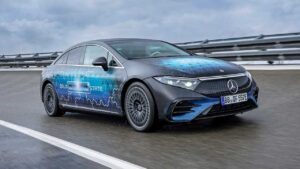
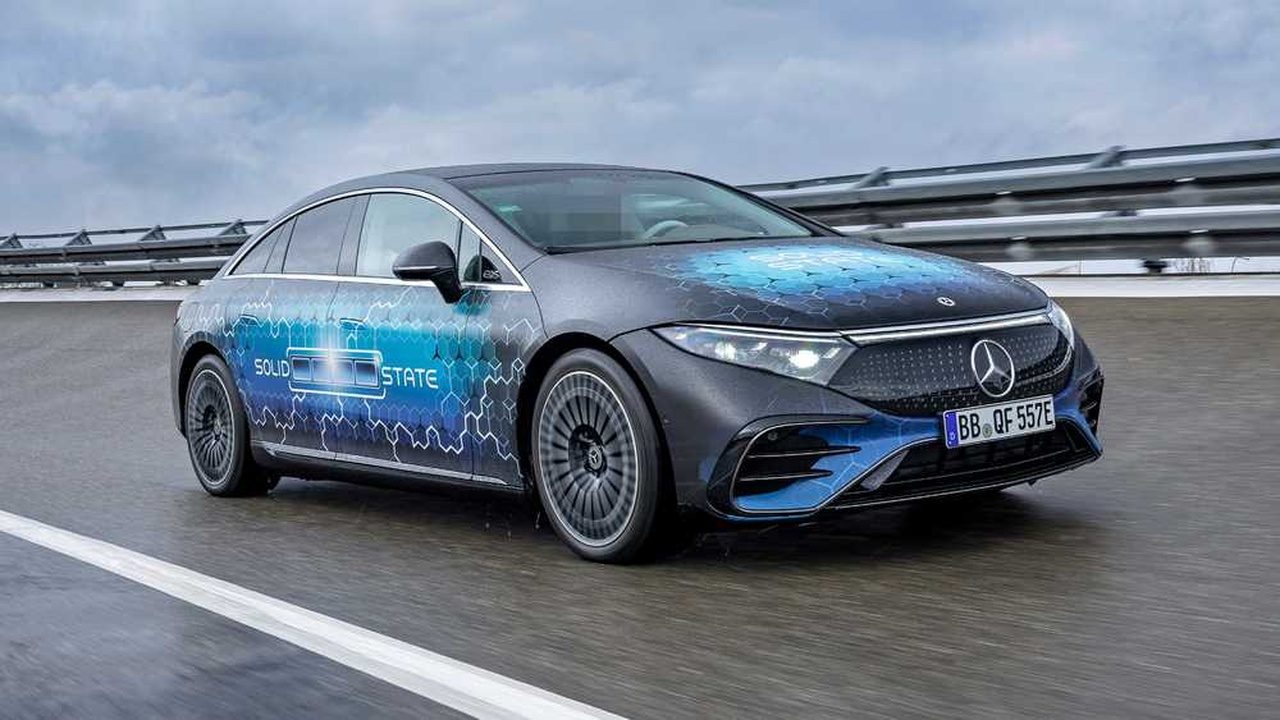
Toyota is working with Idemitsu toward mass production, with a target window of 2027 to 2028. Mercedes-Benz has the more advanced demonstration, running a road-going EQS with a working solid-state pack. Still, neither rival has a firm production date. Toyota Mercedes News covers both brands closely, and the gap between announcement and assembly line is clear. Toyota has already shown it can play a long game, as its Toyota 600-HP 4-Cylinder plan proves.
Why Manufacturing Solid-State Is Brutally Hard
Solid-state cells promise higher energy density and better resistance to crushing, piercing, and thermal runaway. Making them is another matter. Solid electrolytes are difficult to integrate with existing systems, and material consistency remains a problem. Moisture intrusion can render an entire unit inoperable.
Every solid electrolyte plate must also stay in constant, consistent contact. On paper, that sounds simple. In the factory, it is a precision nightmare. Lithium-ion production, by contrast, has been refined to near perfection over the past decade.
Can BYD Actually Cross The Finish Line?
BYD brings real advantages to this fight. Its batteries accounted for roughly 194.8 GWh of output in 2025, placing it second only to CATL. Its factories also built about 4.7 million vehicles last year, which gives it the volume to test new chemistry at scale.
Ultimately, the 2027 rollout is a trial run, not a victory lap. Even so, BYD has the infrastructure, the capital, and the production habit that its legacy rivals are still building. Whoever reaches mass production first will set the pricing benchmark for the next decade of EVs.

Liam Campbell
Industry Intelligence & News Editor at Auto News Magazine. Tracking prototype spy shots, Nürburgring development mules, automaker corporate moves, and breaking global automotive scoops.
View all articles by Liam Campbell →