The official debut of the Porsche pricing strategy marks a defining milestone. Porsche just threw down a gauntlet that will reshape the entire luxury automotive landscape. According to a recent report by MOTOR1.COM, CEO Michael Leiters is executing a radical repositioning strategy: trade volume for value. The German automaker plans to hike average selling prices on its most expensive models by roughly 20 percent—a seismic shift that signals Stuttgart’s intention to abandon the mass-market playbook entirely.
The €100K Gamble Begins
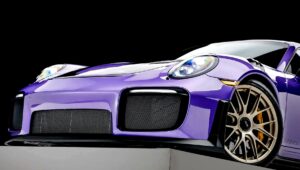
Here’s where it gets serious. Porsche pricing strategy now targets moving from approximately €270,000 ($300,000) to over €330,000 ($370,000) in the medium term. However, this isn’t reckless price gouging—it’s a calculated business pivot. The company wants high-end models to represent 45 percent of its portfolio, meaning fewer volume-oriented vehicles and more limited editions, special variants, and exclusive offerings.
Furthermore, Porsche intends to break even at fewer than 200,000 units annually. For context, Zuffenhausen delivered 279,449 vehicles in 2025. That’s a staggering production cut of roughly 28 percent—a move that demands absolute confidence in brand power and customer loyalty.
Cost Cuts Meet Exclusivity
Leiters isn’t simply raising prices and hoping for the best. In parallel, Porsche is slashing product development expenses by 20 percent and reducing model variants by a similar margin. Material costs for next-generation models will drop 10 percent, while warranty expenses face a brutal 45 percent reduction.
Meanwhile, the workforce is shrinking dramatically. The company will eliminate 9,000 jobs (roughly 20 percent of its workforce) by 2035. Personnel costs will plummet up to 30 percent, management positions will decline by 40 percent, and sales/distribution costs will be slashed by 20 percent. This is ruthless efficiency married to premium positioning.
New Iron: Hypercar & 911 Specials
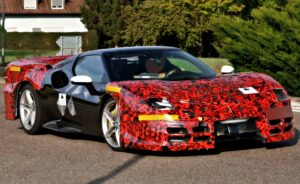
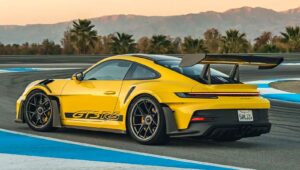
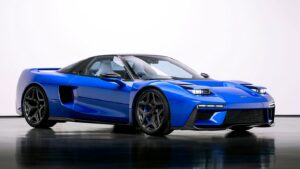
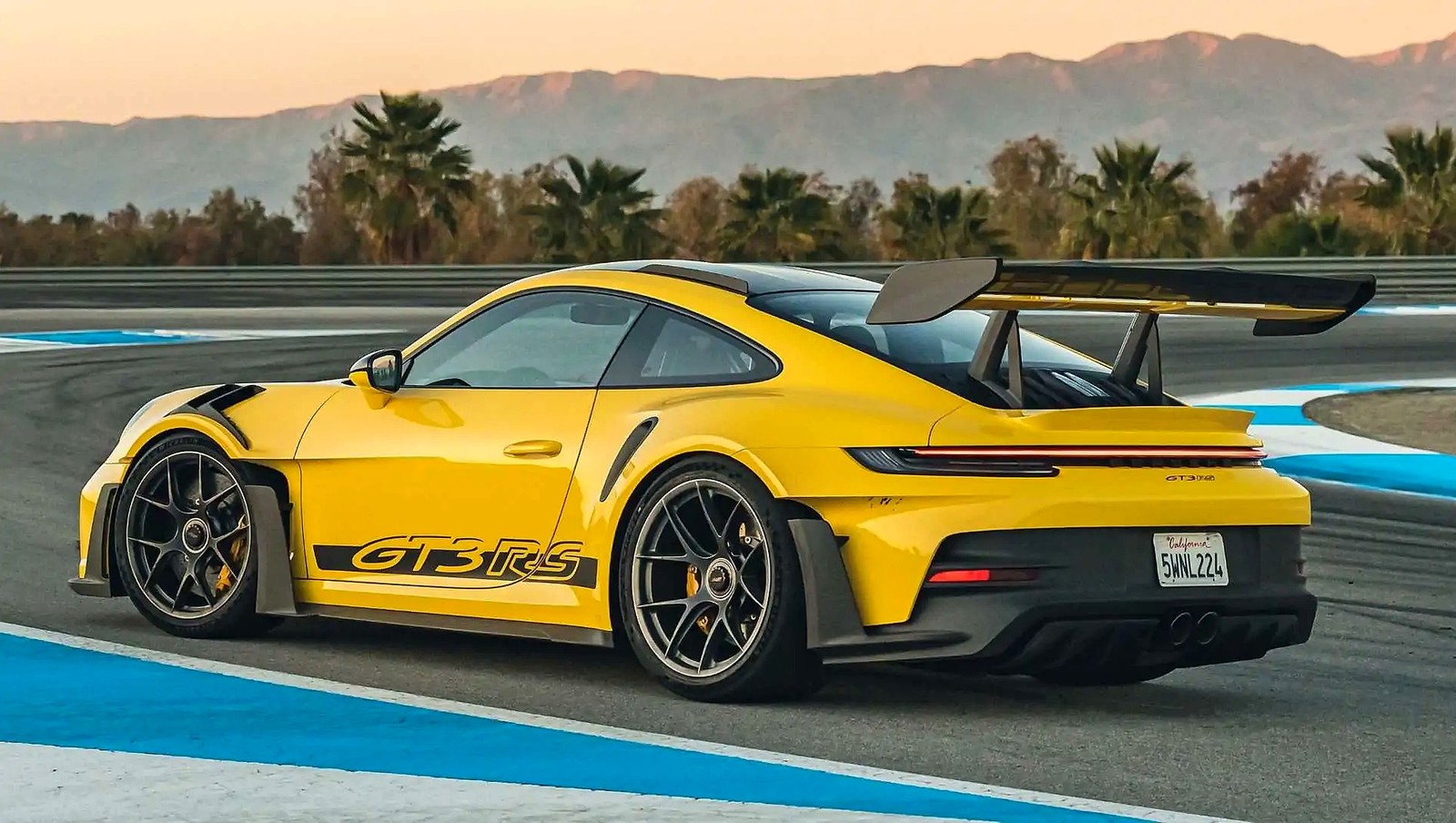
Consequently, Porsche’s product roadmap reflects this exclusivity-first mentality. The company is rolling out more special 911 models, a new mid-engine hypercar, and EV versions of the 718 Boxster and Cayman. A gasoline-powered Macan replacement is also planned. Notably, the 911 manual gearbox remains available—but you’ll pay handsomely for the privilege.
A large three-row SUV remains under consideration but hasn’t been greenlit. This selective approach to new models underscores Leiters’ philosophy: quality over quantity, exclusivity over accessibility.
The China Problem & EV Tightrope
Yet Porsche pricing strategy faces headwinds. China remains a major challenge; no repositioning guarantees recovery in what was once a critical market. Domestic EV makers are circling, and wealthy Chinese buyers are increasingly skeptical of premium European brands.
Additionally, Porsche must navigate electrification without sacrificing profitability. Offering combustion, plug-in hybrid, and fully electric powertrains simultaneously is expensive. The trick is delivering flexibility without letting complexity erode the cost savings Leiters desperately needs.
The Verdict: Exclusivity or Extinction?
Ultimately, Leiters must prove that Porsche can charge more without losing what made the brand desirable. The 911 remains a powerful asset, but moving further upmarket requires more than limited editions and six-figure options lists. Porsche needs products that justify premium pricing when competitors like Ferrari and Lamborghini are circling the same ultra-luxury segment.
This is a high-wire act. Exclusivity matters only when people still want in. If Porsche executes flawlessly—delivering the hypercar, nailing the new 911 variants, and maintaining brand desirability—this strategy could restore profitability and cement Stuttgart’s position at the apex of automotive luxury. But if wealthy buyers perceive the price hikes as unjustified, Porsche risks becoming a brand that fewer people aspire to own. The next three years will be absolutely critical.
Liam Campbell
Industry Intelligence & News Editor at Auto News Magazine. Tracking prototype spy shots, Nürburgring development mules, automaker corporate moves, and breaking global automotive scoops.
View all articles by Liam Campbell →