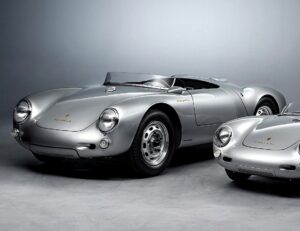
Porsche 550 Spyder by Hedley Studios: An Electrifying Masterpiece Reborn
 Liam Campbell
3 minutes read
Liam Campbell
3 minutes read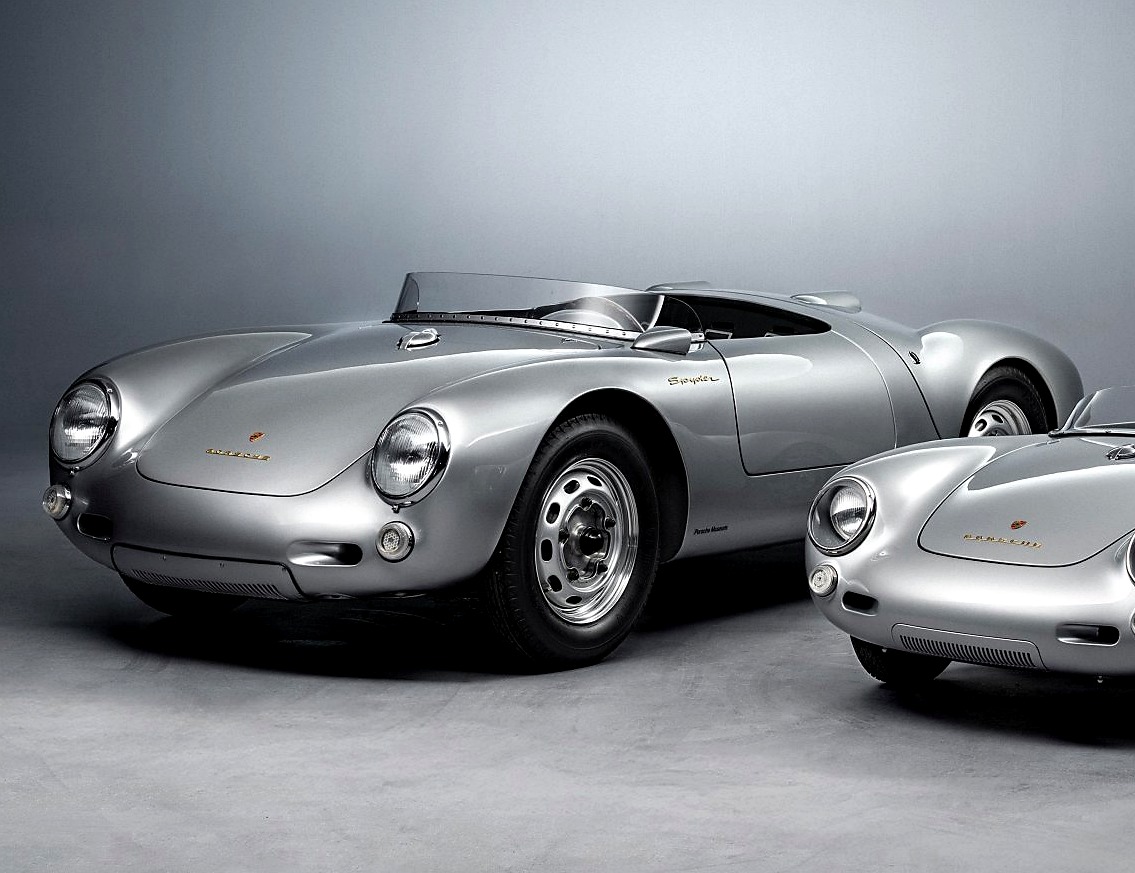
| 🚀 Key Takeaways: • The Porsche 550 Spyder by Hedley Studios is an officially licensed, 80% scale electric tribute. • Performance comes from a 48-volt electric drivetrain pushing up to 16 kW with the RS Package. • Production is limited to strictly 250 examples globally for discerning collectors. |
Engineering a legend is rarely a simple task, yet Hedley Studios has captured the essence of Stuttgart’s racing past. By reimagining the Porsche 550 Spyder by Hedley Studios, the team balances archival reverence with modern electric modularity.


The Engineering Case for Heritage
Historically, the Porsche 550 Spyder defined the company’s racing trajectory in 1954. Consequently, this junior reimagination serves as a rolling museum piece rather than a mere toy. Utilizing a steel space-frame chassis and a carbon-fibre body, the build quality reflects extreme manufacturing precision. Furthermore, the collaboration ensures that every aesthetic detail honors the original Carrera Panamericana contender. According to Porsche, this project provides a vital link to the brand’s pioneering motorsport spirit.
Performance and Modular Dynamics
Electrification sits at the heart of this compact sports car. Specifically, the base 48-volt drivetrain delivers 8 kW, while the RS Package doubles that output to 16 kW. Despite the scaled dimensions, the vehicle reaches a brisk top speed of 80 km/h. Moreover, the chassis dynamics are tuned to reflect the agility that made the 1950s icon a giant-killer against larger displacement rivals. Ultimately, the Porsche 550 Spyder by Hedley Studios behaves with a light, direct steering feel rarely found in modern, heavy EVs.
| ⚙️Engine / Powertrain | 48-volt Electric Drivetrain |
| 🐎Power Output | Up to 21 hp (16 kW) |
| 🚀Top Speed | 80 km/h (50 mph) |
| 🔄Drivetrain / Gearbox | RWD Electric |
| 💰Starting Price / Est. | Upon Request (Limited to 250) |
Competitor Analysis
Positioning this vehicle against rivals like the Little Car Company Bugatti Baby II reveals a shift in collector priorities. While the Bugatti focuses on pre-war grand prix elegance, the Porsche 550 Spyder by Hedley Studios targets the pure, visceral racing heritage of the 1950s. Meanwhile, Ferrari-branded junior builds often trade on brand status alone. Conversely, this project offers deep technical archival accuracy, making it a superior choice for Auto News Magazine readers seeking historical provenance.
Pricing, Available Trims, and Ownership Value
Regarding market positioning, this remains a strictly non-road-legal collector’s asset. Starting MSRP is not publicly fixed, but demand for the 250-unit run is expected to be aggressive. Warranty coverage is handled directly through the boutique manufacturer. Furthermore, insurance for such a specialized item requires high-net-worth collector policies. Est. Monthly Lease options are essentially non-existent, as these assets are typically acquired via direct capital purchase.
Future Speculation
Predicting the future of such a limited build suggests significant appreciation. As an officially licensed project, the Porsche 550 Spyder by Hedley Studios will likely become a cornerstone of private collections. Therefore, owners should view the purchase as a hedge against duller, mass-produced mobility solutions. Ultimately, these 250 units will disappear into climate-controlled garages almost immediately.
Conclusion
Crafting a tribute that actually respects the source material requires immense discipline. By prioritizing lightweight materials and authentic design, the team has succeeded where others fail. In short, this is the definitive junior homage to one of the most storied chassis in the history of Stuttgart.
Liam Campbell
Industry Intelligence & News Editor at Auto News Magazine. Tracking prototype spy shots, Nürburgring development mules, automaker corporate moves, and breaking global automotive scoops.
View all articles by Liam Campbell →