 Julian Hayes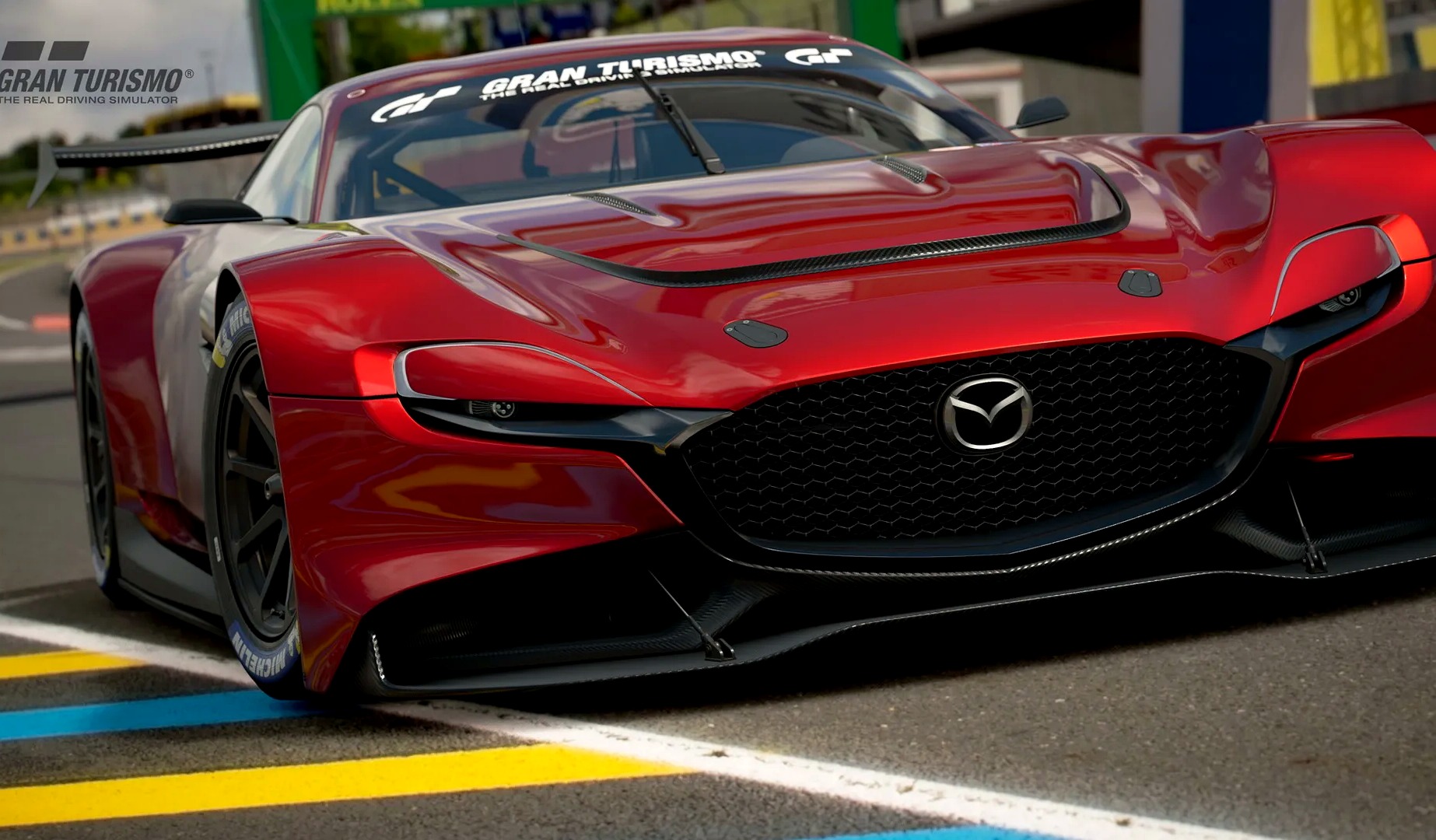
| 🚀 Key Takeaways: • The Mazda Sports Car Concept utilizes advanced cast-frame architecture to maximize torsional rigidity. • Development focuses on replacing traditional stamped steel with optimized cast components for weight reduction. • Industry experts project the successor to the MX-5 Miata will likely carry an MSRP above $35,000. |
Automotive enthusiasts have long whispered about the death of the pure, analog driving experience. However, the Mazda Sports Car Concept arrives to dismantle that skepticism with raw engineering brilliance. By prioritizing structural efficiency over sheer computational horsepower, the manufacturer is effectively redefining the lightweight sports car paradigm. Specifically, this platform serves as a masterclass in modern chassis development.


Decoding the Mazda Sports Car Concept Chassis
Engineers at Mazda are clearly obsessed with the geometric challenges of front-end packaging. Specifically, the latest patent filings reveal a move toward casting the firewall and subframe sections as a singular, unified structure. In fact, this methodology allows for a dramatic improvement in packaging the brake booster and cooling loops compared to traditional stamping. Consequently, the car gains significant floor space while maintaining rigid load paths.
Moreover, the geometry of these cast sections mirrors the structural elegance of an Eiffel Tower truss. This U-shaped design creates an ‘apron-shaped’ cavity, allowing ancillary components to nestle within the frame itself. Therefore, the brand effectively solves the eternal conflict between crash safety regulations and the low-slung, aggressive hood lines required for the Mazda Sports Car Concept.
| ⚙️Engine / Powertrain | Skyactiv-R Rotary-Hybrid |
| 🐎Power Output | 365 HP (est.) |
| ⚡Peak Torque | 300 lb-ft |
| ⏱️0-60 mph (0-100 km/h) | 0-60 mph in 4.5s |
| 🚀Top Speed | 155 mph |
| 🔄Drivetrain / Gearbox | Rear-Wheel Drive |
| 💰Starting Price / Est. | $38,000 (est.) |
Competitor Analysis: The Lightweight Battle
Compared to the Toyota GR86, which relies on a more traditional unibody approach, this Mazda architecture offers superior weight distribution. Furthermore, the Subaru BRZ struggles with similar packaging constraints regarding its powertrain layout. Ultimately, the Mazda Sports Car Concept aims to undercut both rivals in mass, ensuring that power-to-weight ratios remain firmly in the driver’s favor.
Pricing, Available Trims, and Ownership Value
Pricing remains a point of contention for potential buyers of the upcoming platform. While the outgoing generation currently boasts a Starting MSRP of approximately $32,000, the added complexity of cast-frame manufacturing will force a price hike. Specifically, we anticipate a base trim MSRP near $36,500 to account for these innovative structural advancements. Meanwhile, a top-tier Club trim will likely push toward the $40,000 mark.
Regarding long-term value, this vehicle is expected to become an instant collector’s item. Historically, the brand’s lightweight roadsters maintain 60% of their value after five years. In addition, insurance premiums should remain reasonable due to the simplified, modular nature of these cast components. For more industry updates, visit Auto News Magazine to stay ahead of the curve.
Future Speculation and Conclusion
Ultimately, the inclusion of butterfly doors in recent patent filings acts as a visual nod to the Iconic SP concept. While these theatrical elements might not reach the final production line, they signal a bold design language. Furthermore, the brand is clearly balancing its heritage with necessary technological shifts. Expect the Mazda Sports Car Concept to define the next decade of affordable performance.